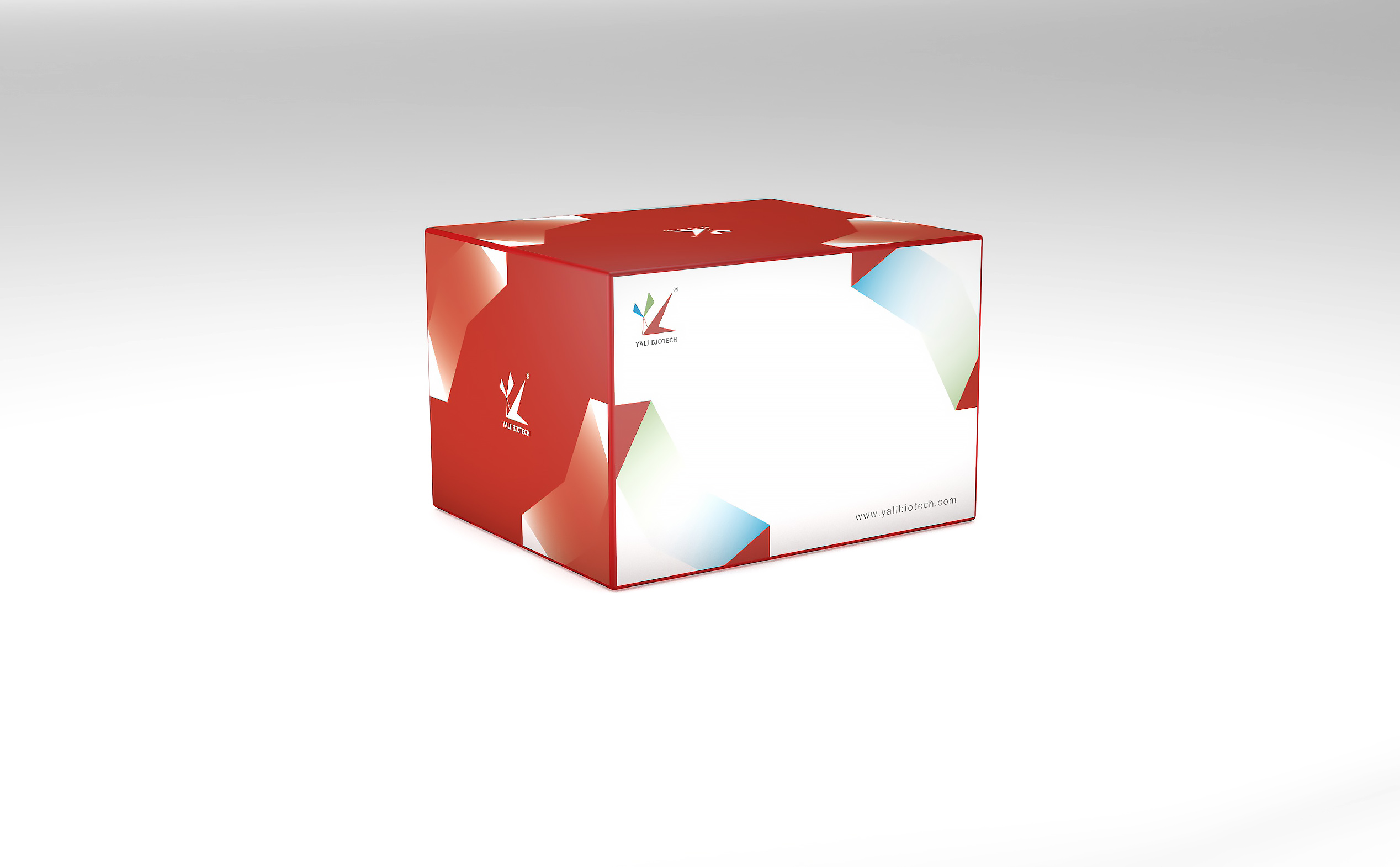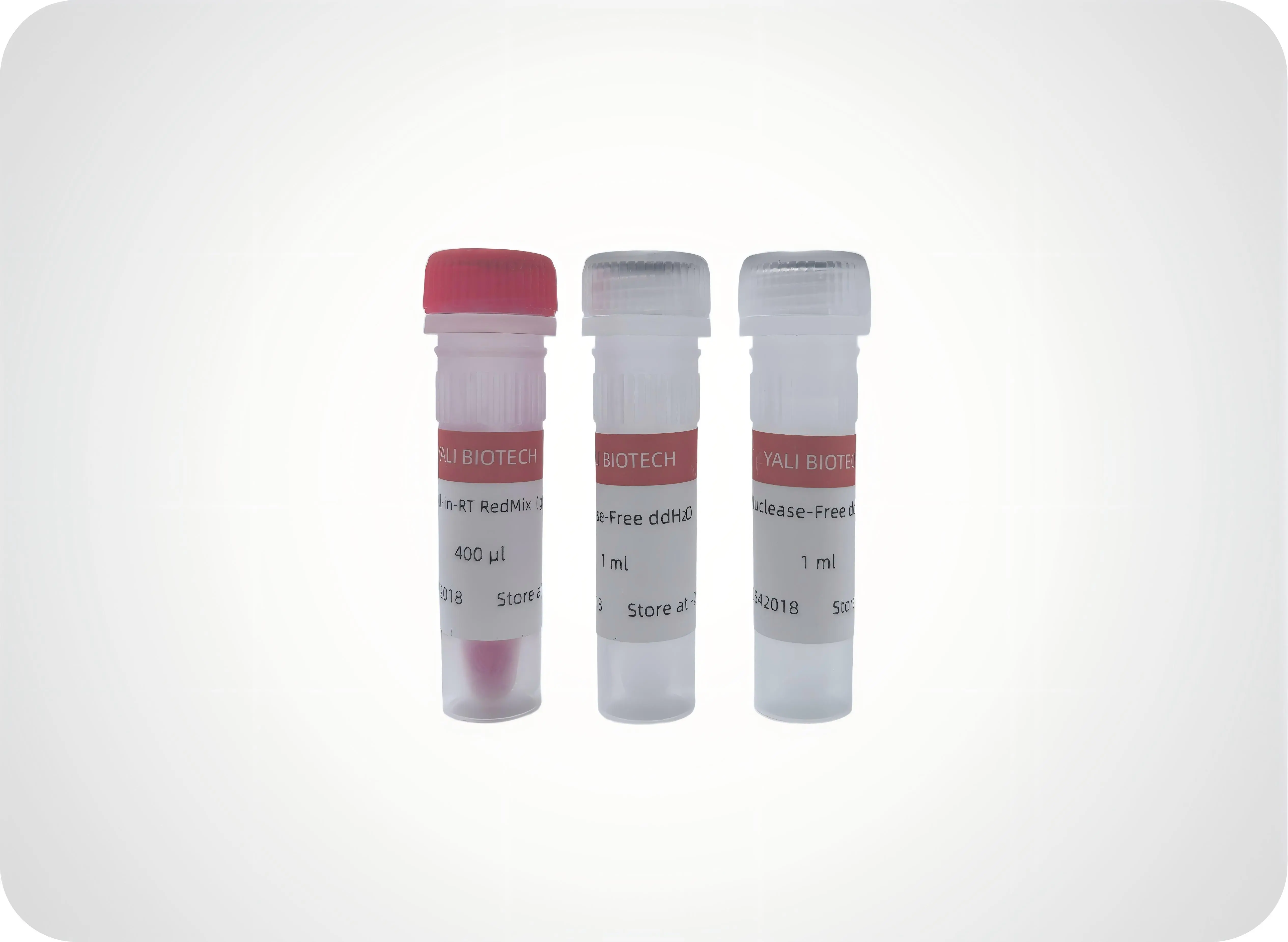

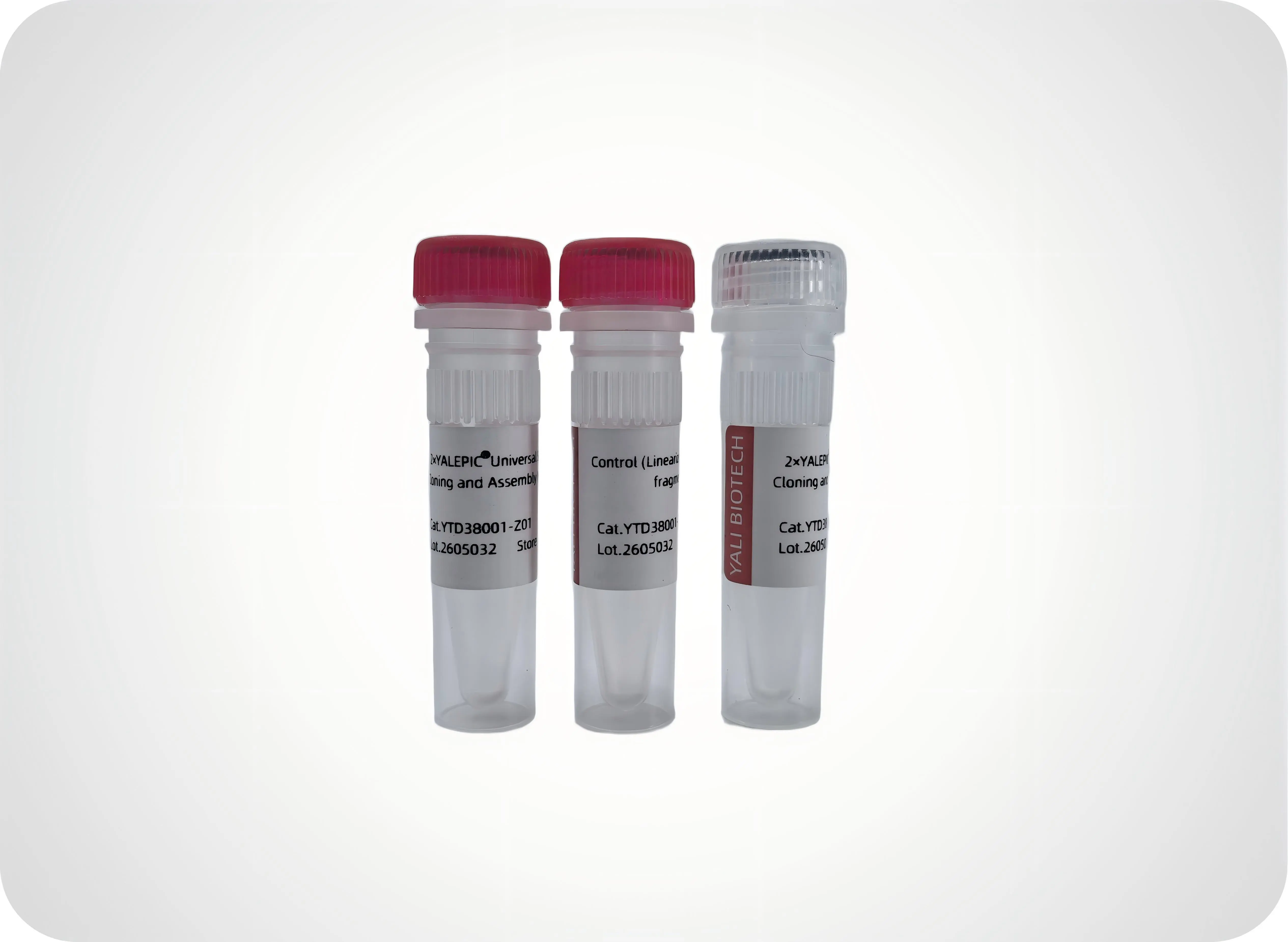
A validated kit that simplifies plasmid construction, multi-fragment assembly, and synthetic biology with consistent, reproducible results.
| Number | Specifications | Catalog Price | Add To Cart |
|---|---|---|---|
| YTD38001 | 100rxns | Online Consult | + |
YALEPIC® Universal Seamless Cloning Assemble Kit是基于同源重组原理开发的一步法单片段/多片段通用型等温无缝克隆试剂,属于非连接酶依赖型体系,载体自连背景极低,可显著提高克隆的重组效率及对杂质的耐受程度,制备的高纯度线性化载体和插入片段可不纯化直接用于重组克隆。本产品可快速、定向、准确的将含有载体末端重叠区域的插入片段(单个片段,或多至5个顺序拼接的片段)定向重组至任何载体的任何位点,50℃,5~15 min即可完成重组,不受酶切位点限制,载体末端与插入片段末端以及相邻插入片段末端之间需要15~25bp能够相互同源重组的完全一致的序列。本产品具有高保真、高效、便捷的DNA连接性能适用于文库构建等应用,阳性克隆率高达95%。
高保真性,克隆数适中、克隆阳性率>95%;
高效组装,50℃,5~15min完成重组;
兼容性高,可组装1~5个DNA片段;
操作简便,Mix和样品等体积混匀即可。
适用于1~5个片段的DNA连接、高通量分子克隆、蛋白表达、多点突变等。
-20℃储存,≤0℃运输。
Possible causes and solutions: Primer design errors – homology arms should be 15-25 bp with GC content controlled at 40%-60%. If GC content is above 70% or below 30%, recombination efficiency will be significantly affected. Redesign primers accordingly. Low competent cell efficiency – use freshly prepared or properly stored competent cells with transformation efficiency >10^8 cfu/microgram. The ligation product volume should not exceed 1/10 of the competent cell volume. Insufficient DNA input or poor ratio – the optimal molar ratio of vector to insert is 1:2. Recommended formula: vector amount (ng) = 0.02 x vector base number; insert amount (ng) = 0.04 x insert base number. DNA purity issues – if using unpurified DNA, total volume should not exceed 1/5 of the reaction system (e.g., no more than 4 microL in a 20 microL system). Gel purification is recommended, with products dissolved in ddH2O. Kit issues – first use the positive control included with the kit to rule out kit quality problems.
This is typically not a kit issue but rather mutations introduced during PCR amplification. Possible causes: PCR-introduced mutations – use high-fidelity DNA polymerase for target fragment amplification instead of regular Taq. Non-specific PCR product contamination – check PCR product specificity by gel electrophoresis. Multiple PCR products will lead to incorrect inserts; gel purify PCR products before recombination. Incomplete vector linearization – even trace amounts of incompletely digested circular vector will produce high transformation background. Use a negative control to verify complete linearization and optimize digestion conditions.
Design principles: Homology arm length: 18-25 bp is ideal. Below 15 bp, recombination efficiency decreases significantly. GC content: 40%-60%. Above 70% or below 30% will affect efficiency. Sequence specificity: avoid repetitive sequences within 50 bp upstream/downstream of the cloning site. Primer design formula: 5′-[homology sequence (15-25 bp)]-[restriction site (optional)]-[gene-specific amplification primer]-3′. Note: this kit requires 15-25 bp of identical sequence between vector and insert ends for homologous recombination.
In short: homologous recombination is the method, seamless cloning is the result. Homologous recombination is a next-generation directional cloning technology that does not rely on restriction digestion and ligation steps. It uses 15-20 nt homologous sequences at the ends of DNA fragments and linearized vectors to achieve recombination, allowing fragments to be cloned at any site with very low vector self-ligation background.
Possible causes and solutions: Incomplete vector linearization – even trace circular vector produces high background. Solutions: increase restriction enzyme amount, extend digestion time, gel purify digested products, and use a negative control. Circular plasmid contamination with same resistance – when using circular plasmid as PCR template, residual plasmid produces background. Solutions: use pre-linearized plasmid as template, DpnI digest the PCR product, or gel purify. Insufficient plate antibiotics – ensure correct antibiotics and freshly prepared plates.
Recommended reaction times: 1-2 fragments: 5-15 minutes; 3-5 fragments: 15-30 minutes; vector >10 kb or fragment >4 kb: extend to 30-60 minutes. Strictly control the reaction temperature at 50 degrees C. Temperature deviations affect recombinase activity. If reaction mixture adheres to tube walls, briefly centrifuge to collect at the bottom.
Yes, but with limitations: If linearized vector and insert are already purified with single bands on gel, use a spectrophotometer for concentration measurement (A260/A280 between 1.8-2.0). For unpurified DNA, total volume should not exceed 1/5 of the reaction system. Note: EDTA and other metal ion chelators inhibit seamless cloning. Dissolve purified products in ddH2O, not Tris-EDTA buffer. Gel purification is recommended for best recombination efficiency.
Electrocompetent cells are not recommended. Use high-quality chemically competent cells (transformation efficiency >10^8 cfu/microgram). The recombination product should not exceed 1/10 of the competent cell volume to avoid transformation inhibition.
Recommended verification methods: Positive control – use the kit’s included positive control for parallel experiments. If the positive control produces colonies that test positive, kit issues can be ruled out. Colony PCR – use vector universal primers or at least one universal primer. Plasmid double digestion – extract plasmid from positive colonies and perform double restriction digestion at expected sites. Sequencing – final positive clones should be sequenced to confirm correct insert sequence.
This product can efficiently assemble 1-11 DNA fragments. For multi-fragment assembly, start with fewer fragments (2-3) to optimize conditions before gradually increasing.
Storage: -20 degrees C. Transport: below 0 degrees C. Minimize repeated freeze-thaw cycles. Thaw completely and mix gently before each use, return to -20 degrees C immediately after use. Use nuclease-free tips and tubes. The product tolerates up to 30 freeze-thaw cycles without significant performance loss. If slightly viscous upon thawing, ice-thaw to a clear liquid – this does not affect normal use.
Possible cause: unsuccessful recombination due to incomplete vector linearization. Solutions: verify complete linearization of the vector, optimize digestion conditions (increase enzyme amount, extend digestion time), gel purify digestion products to remove residual circular plasmid, and use validated vector universal primers for colony PCR.




Production center: 4th floor, Building 9, Yangshan Science and Technology
Industrial Park,No. 8 Jinyan Road, Suzhou High-tech Zone
Marketing center: Pujiang High-tech Park, Minhang District, Shanghai
Copyright: 2026 YALI Biotech Co., Ltd.
 Scan to follow us