
A validated stain that simplifies agarose gel electrophoresis and nucleic-acid visualization with consistent, reproducible results.
| Number | Specifications | Catalog Price | Add To Cart |
|---|---|---|---|
| YDG19019 | 500µl | Online Consult | + |
| YDG19019-05 | 5×1ml | Online Consult | + |
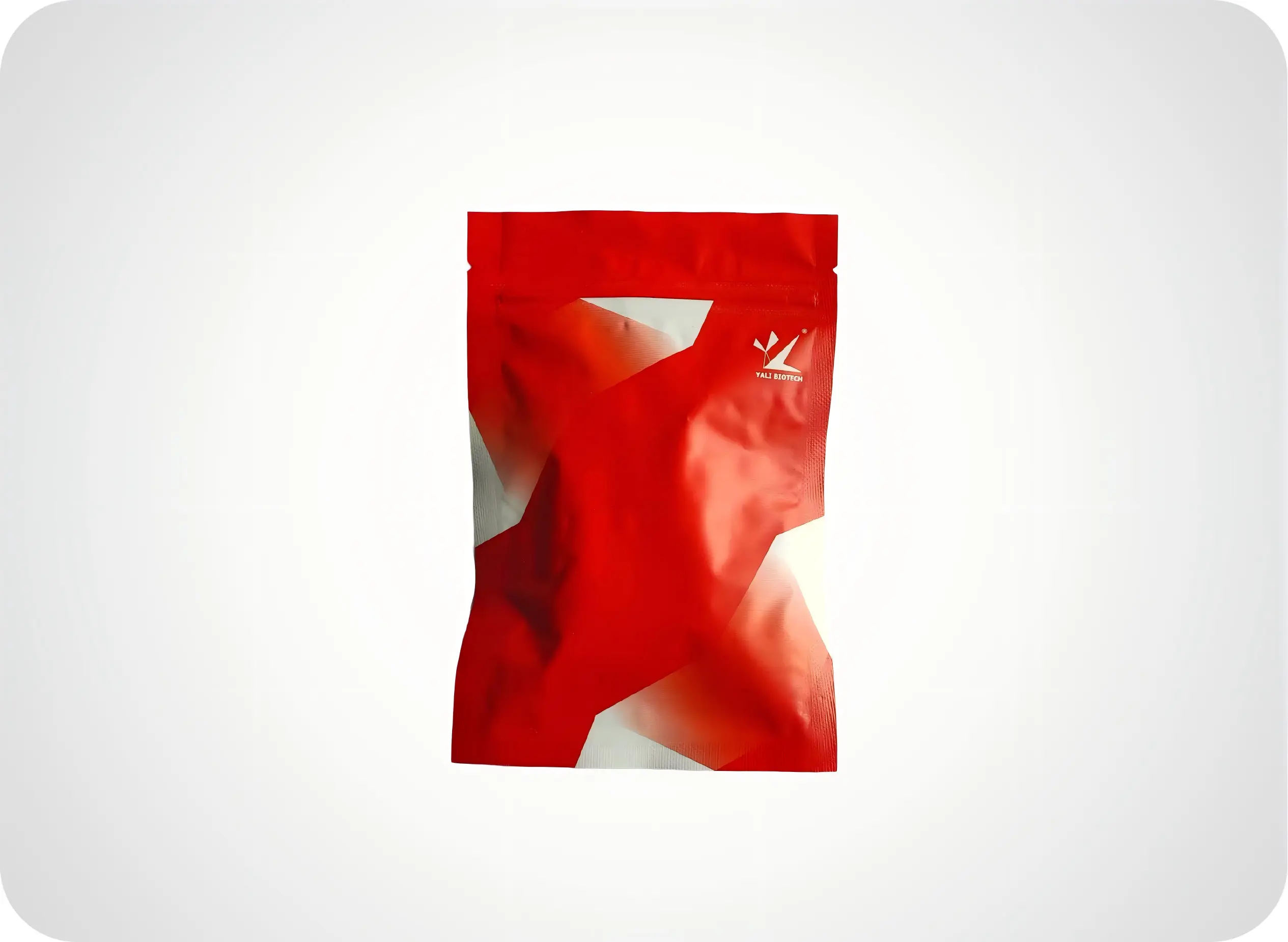
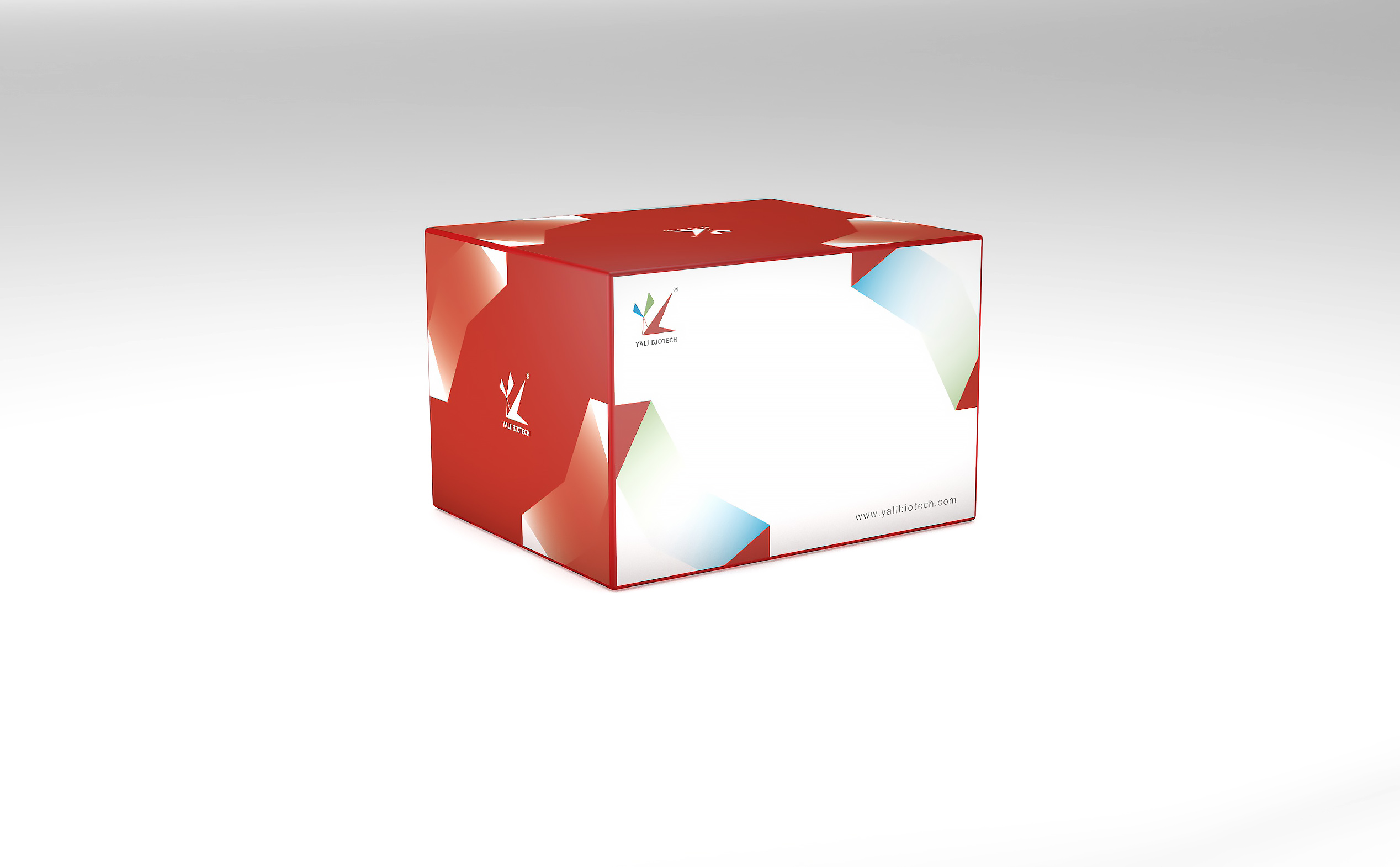
YALEPIC® Gel Redness(10000×)is a novel nucleic acid dye that can replace ethidium bromide (EB). It has many advantages such as high sensitivity and strong thermal stability. It has higher detection sensitivity for trace DNA, especially trace small molecule DNA. Under the ultraviolet light, DNA exhibits red fluorescence. Gel Redness is applicable for dsDNA, ssDNA and RNA staining in agarose gels and polyacrylamide gels electrophoresis.
Store at 10~30℃ and protect from light for 2 years, transport at room temperature.
Traditional EB (ethidium bromide) is a strong mutagen, classified as a highly carcinogenic hazardous substance, requiring full protective equipment and specific waste disposal areas. YALEPIC Gel Redness uses a unique macromolecular oil-based technology with a molecular weight of approximately 1400, which cannot penetrate living cell membranes. The Ames Test has confirmed that this dye is completely non-mutagenic at gel staining concentrations, with biosafety far exceeding that of EB, lower waste disposal costs, and a more friendly profile for laboratory personnel and the environment.
Yes, no equipment replacement is needed at all. YALEPIC Gel Redness has identical spectral properties to traditional EB stain, with excitation at approximately 300 nm UV wavelength and emission at approximately 600 nm. Your existing gel imaging system, UV transilluminator, and filters require no adjustments, enabling a zero-cost smooth transition from EB to a safe dye.
Almost no effect. After binding to nucleic acids in the gel, this dye does not significantly increase the molecular weight burden of nucleic acids, causing minimal interference with electrophoretic migration of fragments of all sizes, ensuring accurate band positions. Additionally, due to its extremely low non-specific binding to free nucleic acids, background noise is well controlled. Combined with excellent sensitivity, high-contrast, low-background clear gel imaging results can be easily obtained.
Both methods are supported. For convenience and efficiency, in-gel staining is recommended, where the dye is added directly during gel preparation (no need to wait for the gel to cool), completing the process in one step. For quantitative analysis of post-electrophoresis gels or subsequent gel recovery experiments, post-staining (immersing the gel in diluted dye after electrophoresis) may be more appropriate, as it avoids the dye’s impact on nucleic acid recovery efficiency. Please choose the most suitable method based on your specific experimental needs and workflow.
Yes. YALEPIC Gel Redness has excellent staining performance for double-stranded DNA (dsDNA), single-stranded DNA (ssDNA), and RNA. Its high sensitivity makes it suitable for detecting RNA samples at various concentrations in agarose gel or polyacrylamide gel electrophoresis.
This product is available in multiple specifications to meet different experimental needs. The current specifications are: Catalog number YDG19019, 500 microL, 450.00 CNY; YDG19019-05, 5×1 ml, 3800.00 CNY. For ordering or consultation, please call 0512-66256010 or email info@yalibiotech.com. The YALI Biotech sales team will provide professional product selection guidance and technical support.
The diluted working solution should be prepared fresh and used immediately. Store in the dark and use within 3 days for short-term storage. Long-term storage is not recommended. The stock solution is stable when sealed within its shelf life.
(1) Dye concentration too high – reduce the addition amount; (2) Nucleic acid overload – reduce the loading volume; (3) Expired buffer – replace with fresh TAE/TBE electrophoresis buffer. For tailing issues, switching to post-staining can improve results.




Production center: 4th floor, Building 9, Yangshan Science and Technology
Industrial Park,No. 8 Jinyan Road, Suzhou High-tech Zone
Marketing center: Pujiang High-tech Park, Minhang District, Shanghai
Copyright: 2026 YALI Biotech Co., Ltd.
 Scan to follow us