

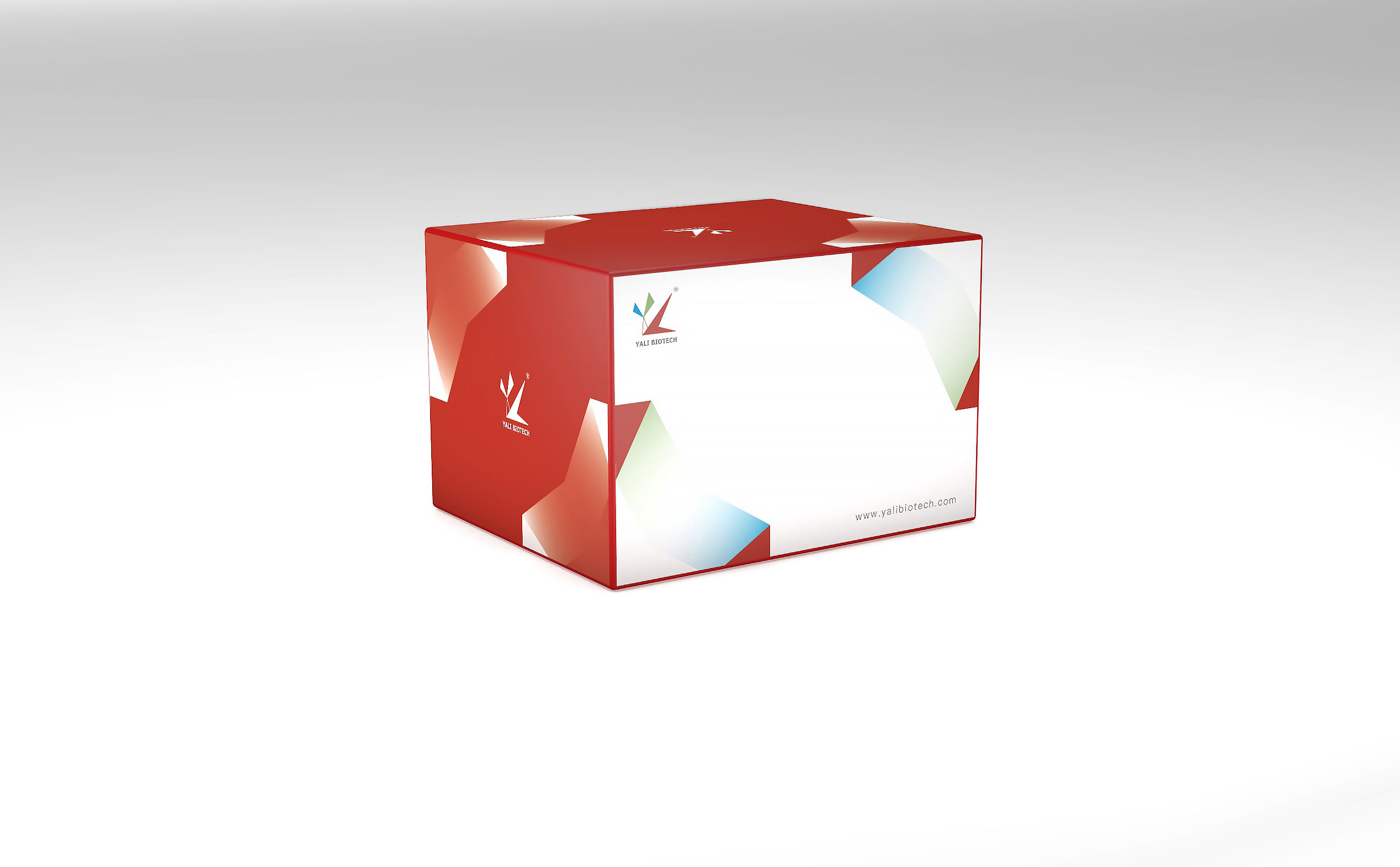
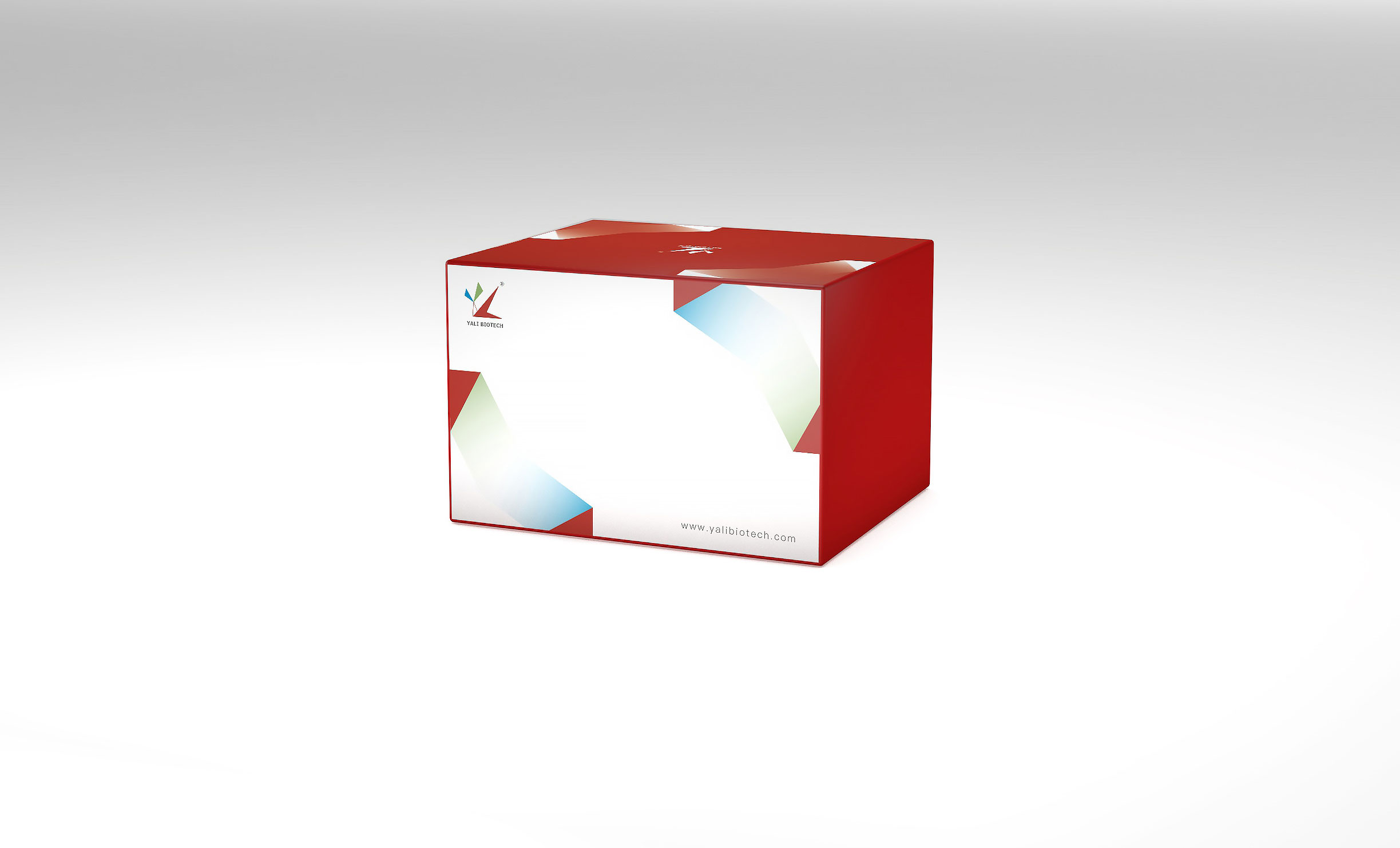
A focused reagent for NGS library quantification and nucleic-acid QC, engineered for high recovery and reproducibility.
| Number | Specifications | Catalog Price | Add To Cart |
|---|---|---|---|
| YNQ24001 | 500rxns | Online Consult | + |
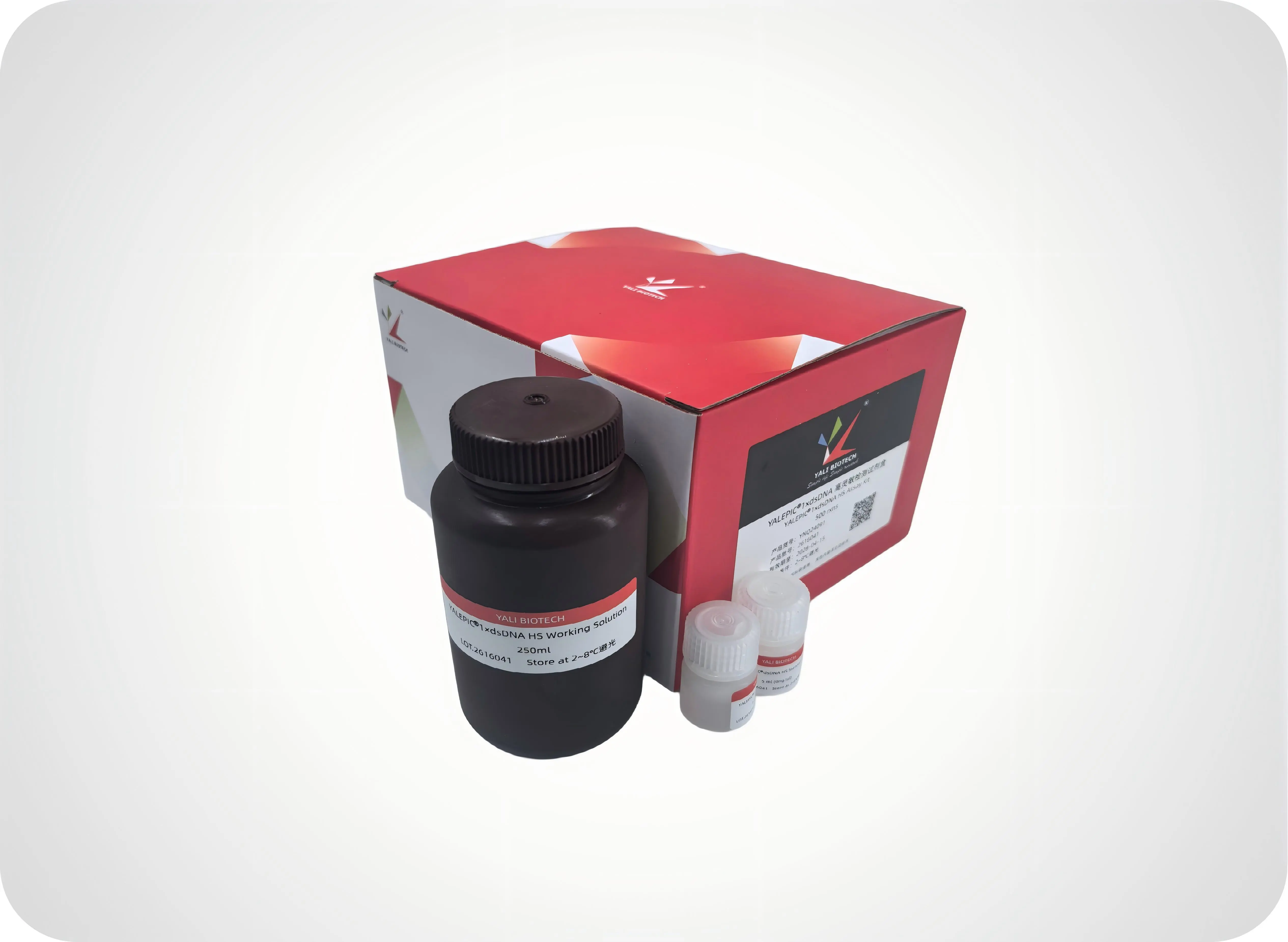
YALEPIC® dsDNA HS Assay Kit is a simple, sensitive and accurate double-stranded DNA (dsDNA) fluorescence quantitative detection kit, which contains pre-mixed working solution (with fluorescent dye) and dsDNA standards. It has good linearity in the range of 0.2 ~ 100 ng dsDNA, allowing accurate quantification of dsDNA concentrations from 10 pg/μl to 100 ng/μl. In addition, it has good impurity tolerance to common contaminants, such as RNA, salts, free nucleotides, proteins, solvents, detergents, etc.
dsDNA concentrations from 10 pg/μl to 100 ng/μl.
Store at 2 ~ 8°C protect from light. Adjust the shipping method according to the estination.Do not freeze.
We suggest dsDNA HS Standard store at -20℃ for long-term storage.
The YALEPIC dsDNA HS Assay Kit uses a fluorescent dye binding method with the following core advantages: (1) High sensitivity – detection limit as low as 100 pg/microL, far below the detection limit of UV methods (approximately 2-5 ng/microL); (2) High specificity – binds only double-stranded DNA, unaffected by RNA, free nucleotides, proteins, etc., providing more accurate quantification in samples with severe RNA contamination or DNA degradation; (3) Contaminant tolerance – tolerates salts, detergents, proteins, and other common contaminants, suitable for direct quantification of complex samples.
Yes. The YALEPIC dsDNA HS Assay Kit is specifically designed for high-sensitivity dsDNA quantification, with the same principle and comparable performance as the Qubit dsDNA HS Assay Kit. It is fully compatible with Qubit fluorometers (including Qubit 3.0, Qubit 4.0, Qubit Flex) and can effectively replace imported brands for NGS library quantification during library construction. It is also compatible with fluorescence microplate readers for high-throughput sample detection. This product has been adopted in daily production by multiple domestic NGS testing institutions.
The minimum detectable concentration of this kit for dsDNA samples is 100 pg/microL. The actual minimum detectable total DNA amount depends on the volume of sample added. Standard protocol recommends adding 1-20 microL of sample to a 200 microL detection system, so theoretically the minimum detectable total dsDNA is approximately 0.1 ng. If the sample concentration is below the detection limit, concentrate the sample using vacuum concentration or ethanol precipitation before detection.
The YALEPIC dsDNA HS Assay Kit has good contaminant tolerance: it can tolerate up to 100 mM NaCl, 100 microgram/mL BSA, 0.1% Triton X-100, 5% DMSO, and 10 microM free nucleotides. However, high concentrations of detergents (such as SDS above 0.5%) or organic solvents may slightly inhibit fluorescence signal. For samples with high contaminant levels, dilute the sample to within the contaminant tolerance range before quantification, or purify using a DNA purification column first.
The kit provides two pre-diluted dsDNA standards (Standard #1 and Standard #2). On Qubit fluorometers, a two-point standard curve can be automatically established through the built-in program. It is recommended to create a new standard curve for every experiment, as fluorescence signals may fluctuate due to working solution preparation accuracy, ambient temperature, and other factors. When using a microplate reader, prepare serially diluted standards and fit a standard curve (four-parameter or linear regression equation) manually.
Recommended troubleshooting steps: (1) Confirm the working solution is correctly prepared and the fluorescence reagent volume is accurate; (2) Check the raw fluorescence values (RFU) of the standards and confirm that sample fluorescence values fall within the standard fluorescence range; (3) The assay is temperature-sensitive – fluorescence signal may decrease at high ambient temperatures, ensure samples and standards are equilibrated to room temperature before detection; (4) Avoid using working solution that has been repeatedly freeze-thawed; (5) Confirm that the detection parameter settings match the instrument model.
This kit is highly selective for double-stranded DNA, with the fluorescent dye specifically binding dsDNA. Cross-reactivity signal in the presence of RNA is less than 1%, and cross-reactivity signal in the presence of ssDNA is less than 2%. Therefore, this product is dedicated to precise quantification of dsDNA and is not suitable for ssDNA or RNA quantification. For total nucleic acid or RNA quantification, please select the corresponding YALI Biotech quantification kit.
The kit has a shelf life of 12 months when stored at 2-8 degrees C protected from light (from the date of manufacture). The YALEPIC dsDNA HS Reagent component is sensitive to light and must be stored in the dark. Do not freeze the kit or any of its components. The working solution should be used within 4 hours after dilution. For short-term storage (up to 1 week), it can be stored at 2-8 degrees C protected from light, though fluorescence signal may attenuate.
Yes. DNA extracted from FFPE samples typically has varying degrees of degradation and may contain PCR inhibitor residues. The YALEPIC dsDNA HS Assay Kit has good fluorescence response to degraded DNA fragments and can tolerate inhibitors that may remain in FFPE samples (such as xylene, ethanol, etc.). For highly degraded FFPE-DNA, it is recommended to dilute the standards to a fragment size range similar to the sample for more accurate quantification results.
The YALEPIC dsDNA HS Assay Kit is compatible with the following fluorescence detection instruments: (1) Qubit series fluorometers: Qubit 3.0, Qubit 4.0, Qubit Flex, Qubit 2.0; (2) Fluorescence microplate readers: BioTek Synergy series, Molecular Devices SpectraMax series, Tecan Infinite series, BMG CLARIOstar series, and other microplate readers equipped with fluorescence detection modules (excitation wavelength approximately 480-500 nm, emission wavelength approximately 520-540 nm). Please confirm that the instrument fluorescence channel settings match before use.





Production center: 4th floor, Building 9, Yangshan Science and Technology
Industrial Park,No. 8 Jinyan Road, Suzhou High-tech Zone
Marketing center: Pujiang High-tech Park, Minhang District, Shanghai
Copyright: 2026 YALI Biotech Co., Ltd.
 Scan to follow us