A validated master mix that simplifies gene-expression analysis, genotyping, and absolute quantification with consistent, reproducible results.
| Number | Specifications | Catalog Price | Add To Cart |
|---|---|---|---|
| YQ51003 | 5ml | Online Consult | + |
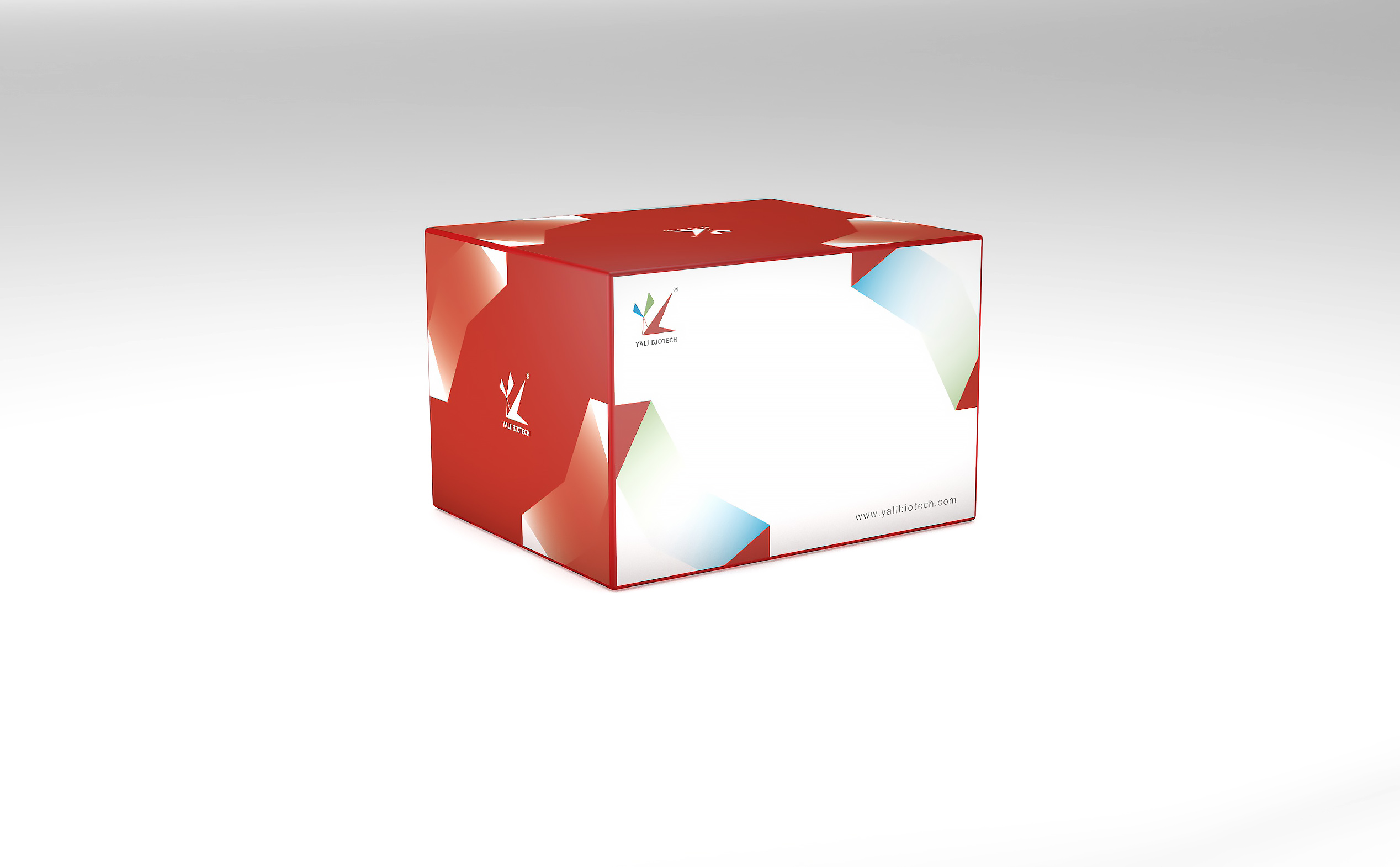
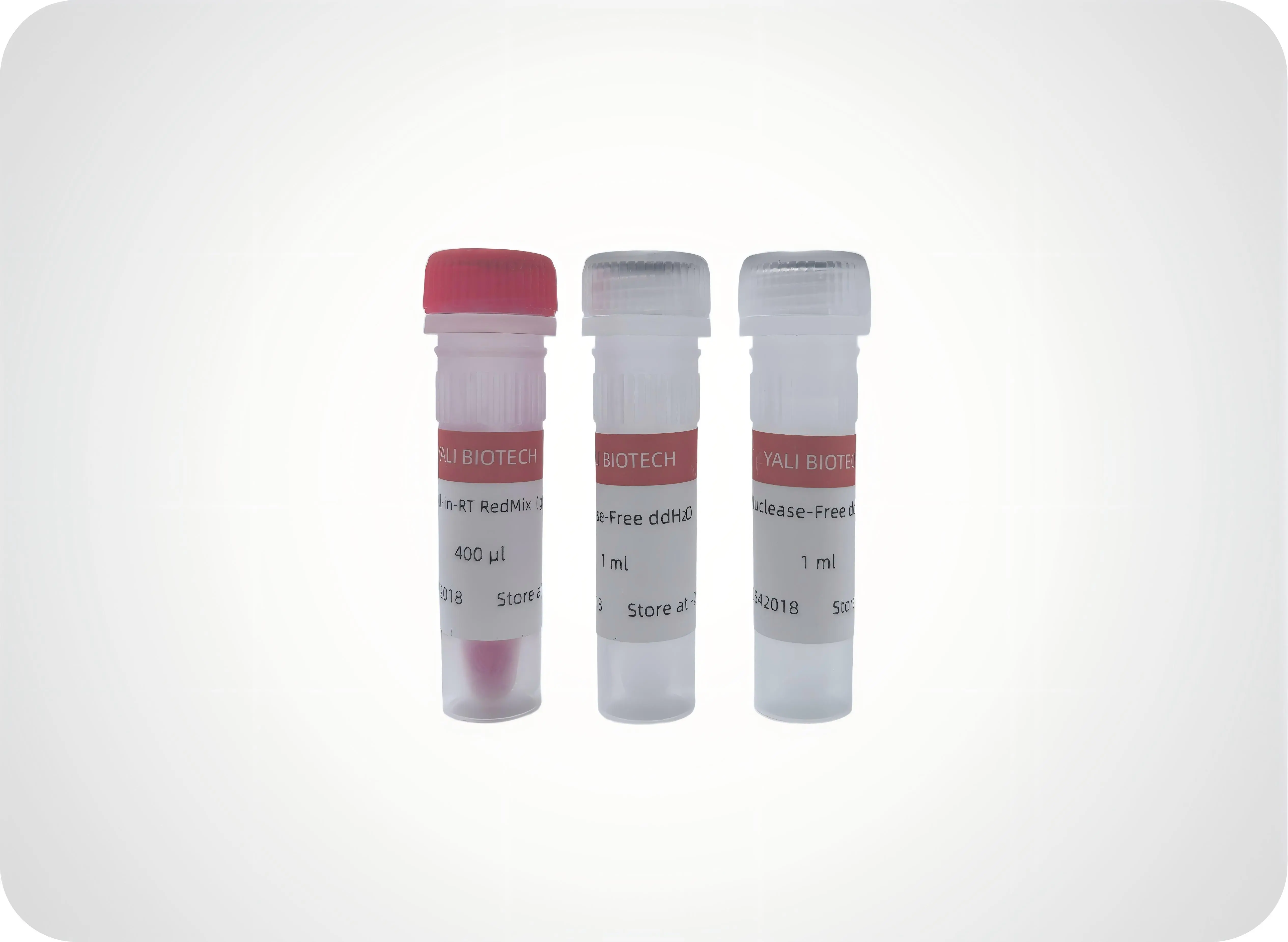
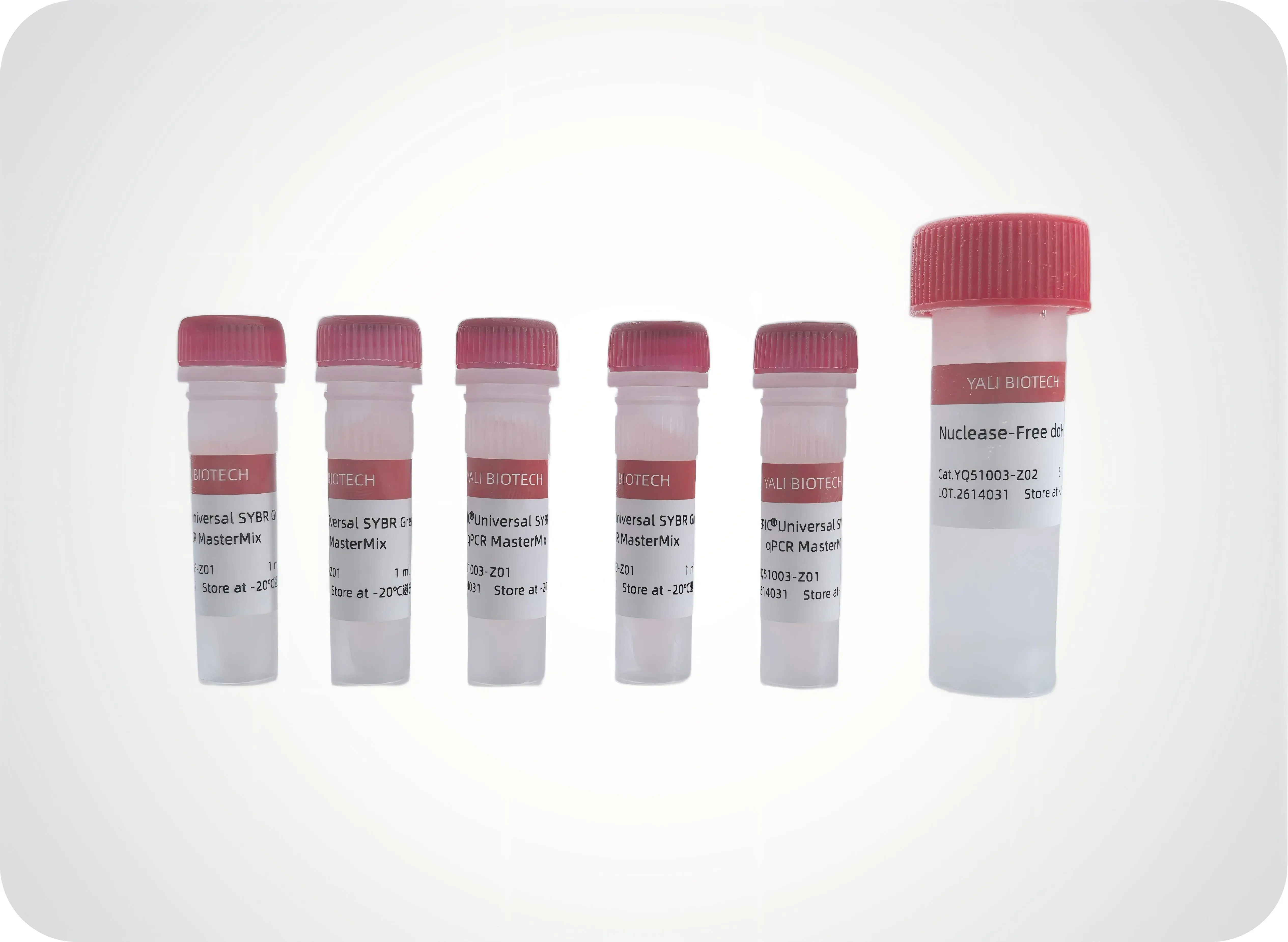
YALEPIC® Universal SYBR Green qPCR MasterMix is a special premix for qPCR reaction using SYBR Green I fluorescence method. With the combination of Buffer optimized for qPCR and specific enhancer, it is very suitable for qPCR reaction with high specificity and sensitivity. This kit contains Specific ROX Reference Dye, which is suitable for all qPCR instruments without adjusting the concentration of ROX on different instruments. This kit contains 2 × master mix that can be amplified by adding template.
Store at -20°C and transport at ≤0°C.
The universality is reflected in two aspects. First, universal ROX premixed design – the product includes universal ROX Reference Dye, requiring no additional ROX adjustment for different qPCR instruments. It is directly compatible with StepOne, ABI 7500/7500 Fast, LightCycler 480, Bio-Rad CFX Connect/CFX96, and other mainstream real-time PCR systems. Second, sample universality – the optimized reaction system supports genomic DNA (gDNA), cDNA, plasmid DNA, and other template types, suitable for high GC content fragments and low-copy template amplification.
Three main advantages. First, antibody-modified hot-start DNA polymerase completely blocks enzyme activity at room temperature, effectively suppressing non-specific amplification and primer-dimer formation for higher data specificity. Second, the buffer system optimized for low-copy templates maintains good linearity in low-concentration template ranges, significantly improving detection sensitivity. Third, universal ROX premix is compatible with all instruments without additional ROX adjustment.
Both share the same core formulation with antibody-modified hot-start enzyme and universal ROX premix. The difference is that the Blue version adds a blue tracking dye for visual confirmation of pipetting and mixing, helping reduce pipetting errors – especially useful for high-throughput qPCR and multi-plate operations. Choose the colorless version for routine expression analysis and the Blue version for large-scale multi-well plate operations.
Yes, this is a 2x ready-to-use master mix containing SYBR Green I fluorescent dye, dNTPs, Mg2+, antibody-modified hot-start DNA polymerase, and universal ROX reference dye. Users only need to add template (cDNA or gDNA), forward and reverse primers, and nuclease-free water (ddH2O) to achieve a final MasterMix concentration of 1x for direct machine loading.
This is a two-step qPCR master mix and does not support one-step RT-qPCR. For one-step RT-qPCR (reverse transcription and qPCR in one tube), use YALEPIC U+ One Step qRT-PCR Probe MasterMix (CAT#YPQ42003). Alternatively, first reverse transcribe RNA using a YALI Biotech cDNA synthesis kit (sold separately), then use this product for quantitative amplification. The two-step strategy offers greater flexibility for complex samples or rare transcript quantification.
Store at -20 degrees C in the dark. Shelf life is 24 months; refer to the product label for exact expiry date. The product contains SYBR Green I fluorescent dye – strictly avoid light during storage and reaction setup. For frequent use (daily), short-term storage at 2-8 degrees C is acceptable; mix thoroughly before each use. Long-term storage at -80 degrees C is not recommended as some components may form precipitate.
The product is shipped with ice packs at below 0 degrees C. If ice packs melt completely and the product thaws, mix thoroughly and test functionality before use. Brief thawing (1-2 days) without repeated freeze-thaw typically does not affect performance. If completely thawed and re-frozen (one freeze-thaw cycle), use promptly to avoid activity degradation from repeated freeze-thaw.
The product has good stability at room temperature and does not require strict ice-bucket operation. The antibody-modified hot-start polymerase is inactive at room temperature, so reaction setup at room temperature will not significantly affect amplification specificity. However, if ambient temperature is high (>30 degrees C) or setup time is extended (e.g., >60 minutes for large-batch pipetting), place the master mix on ice or a cooling platform to reduce non-specific risk.
This high-sensitivity qPCR master mix is specifically optimized for low-copy templates. Functionally verified to maintain excellent linearity (R2 >=0.99) in low-concentration template ranges (cDNA input 1-10 ng, gDNA input 10-100 ng), with detection sensitivity for low-copy targets (10-100 copies/reaction) significantly superior to conventional qPCR reagents.
Specificity is ensured by two factors. First, the core component is antibody-modified hot-start DNA polymerase – the antibody binds to the enzyme at room temperature, blocking activity. Only at PCR pre-denaturation high temperature (typically 95 degrees C for 2-5 minutes) does the antibody dissociate and release polymerase activity, effectively suppressing non-specific primer extension at room temperature. Second, the buffer system optimized for SYBR Green dye chemistry minimizes primer-dimer formation.
Yes. The optimized buffer system effectively reduces secondary structure formation during annealing of high GC content fragments, significantly improving amplification efficiency and yield. Suitable for promoter regions, CpG islands, GC-rich gene coding regions, and other complex templates.
Yes. The premix system and universal ROX design make it ideal for high-throughput qPCR scenarios including 384-well plates, 96-well plates, and microfluidic chips. The Blue tracking version (YALEPIC Universal Blue SYBR Green qPCR MasterMix) further helps with pipetting quality control during high-throughput operations.
Common causes: (1) Template concentration too low or degraded – prepare fresh template, ensure cDNA purity and integrity; (2) Suboptimal primer design – ensure amplicon length 100-300 bp, primer Tm difference <2 degrees C, optimal Tm 60-65 degrees C; (3) Inaccurate pipetting - use calibrated pipettes, prepare pre-mix then dispense; (4) SYBR Green I dye exposed to light - ensure master mix is always stored and used in the dark.
Multiple or non-specific peaks (lower Tm peaks besides the main peak) typically indicate non-specific amplification or primer-dimers. Troubleshooting: (1) Check primer specificity, redesign if necessary; (2) Increase annealing temperature (e.g., from 60 to 62-65 degrees C); (3) Ensure adequate hot-start activation – 95 degrees C pre-denaturation for 2-5 minutes; (4) Check template purity for PCR inhibitors or cross-contamination.
NTC (no-template control) amplification indicates contamination or primer-dimers. Possible sources: (1) Reagents contaminated with nucleic acids – replace with fresh reagents and consumables, set up in a clean biosafety cabinet; (2) Primer-dimer non-specific amplification – optimize primer design or increase annealing temperature; (3) Laboratory aerosol contamination – regularly clean bench surfaces and pipettes, use filter tips and dedicated qPCR areas.
Poor reproducibility (CV typically required <5%, ideal <3%) causes and solutions: (1) Pipetting errors - use the pre-mix method: combine all MasterMix, primers, and water into a master mix, then dispense to individual wells; (2) Inconsistent template input - ensure thorough mixing of template before each pipetting; (3) Instrument well-to-well temperature variation - check thermal uniformity, avoid edge wells for critical data; (4) Air bubbles - flick or briefly centrifuge to remove bubbles after dispensing.
Possible causes and solutions: (1) PCR program parameter errors – verify fluorescence acquisition is set at the correct temperature step (SYBR Green typically during extension at 60-72 degrees C); (2) Reagent contamination or failure – replace with fresh MasterMix and primers; (3) Incorrect instrument fluorescence channel – verify channel matches SYBR Green I excitation/emission (excitation ~497 nm, emission ~520 nm); (4) Air bubbles or evaporation – ensure proper plate sealing, centrifuge to remove bubbles.
Yes. The product is optimized for fast thermal cycling and can be used with fast qPCR instruments (ABI 7500 Fast, StepOnePlus, QuantStudio series, etc.). Recommended fast program: 95 degrees C pre-denaturation/hot-start activation 3 minutes; 95 degrees C denaturation 1-5 seconds; 60 degrees C annealing/extension 30 seconds (fluorescence acquisition). Total cycle time can be further reduced by shortening denaturation and annealing/extension dwell times, but verify amplification efficiency and specificity.
Primer-dimer formation is the most common interference in SYBR Green dye chemistry. Improvement strategies: (1) Optimize primer design – avoid 3′ end complementarity, ensure amplicon 100-300 bp; (2) Reduce primer concentration – from 0.4 microM to 0.2 microM or lower; (3) Increase annealing temperature – increment by 1-2 degrees C until dimer signal significantly decreases; (4) Ensure adequate hot-start activation – 95 degrees C for 2-5 minutes; (5) Reduce cycle number – if sensitivity permits, reduce from 40 to 35-38 cycles.
You can obtain the COA (Certificate of Analysis) and technical support through: Visit the YALI Biotech website Product Center page, select the YALEPIC Universal SYBR Green qPCR MasterMix product page, and click the COA tab to download. For technical support, call 0512-66256010 or email info@yalibiotech.com.


Production center: 4th floor, Building 9, Yangshan Science and Technology
Industrial Park,No. 8 Jinyan Road, Suzhou High-tech Zone
Marketing center: Pujiang High-tech Park, Minhang District, Shanghai
Copyright: 2026 YALI Biotech Co., Ltd.
 Scan to follow us