
An optimized Trizol + spin column workflow that turns cells and tissues into high-quality total RNA ready for downstream applications.
| Number | Specifications | Catalog Price |
|---|---|---|
| YR23009-A | 50T | Online Consult |
| YR23009-B | 100T | Online Consult |
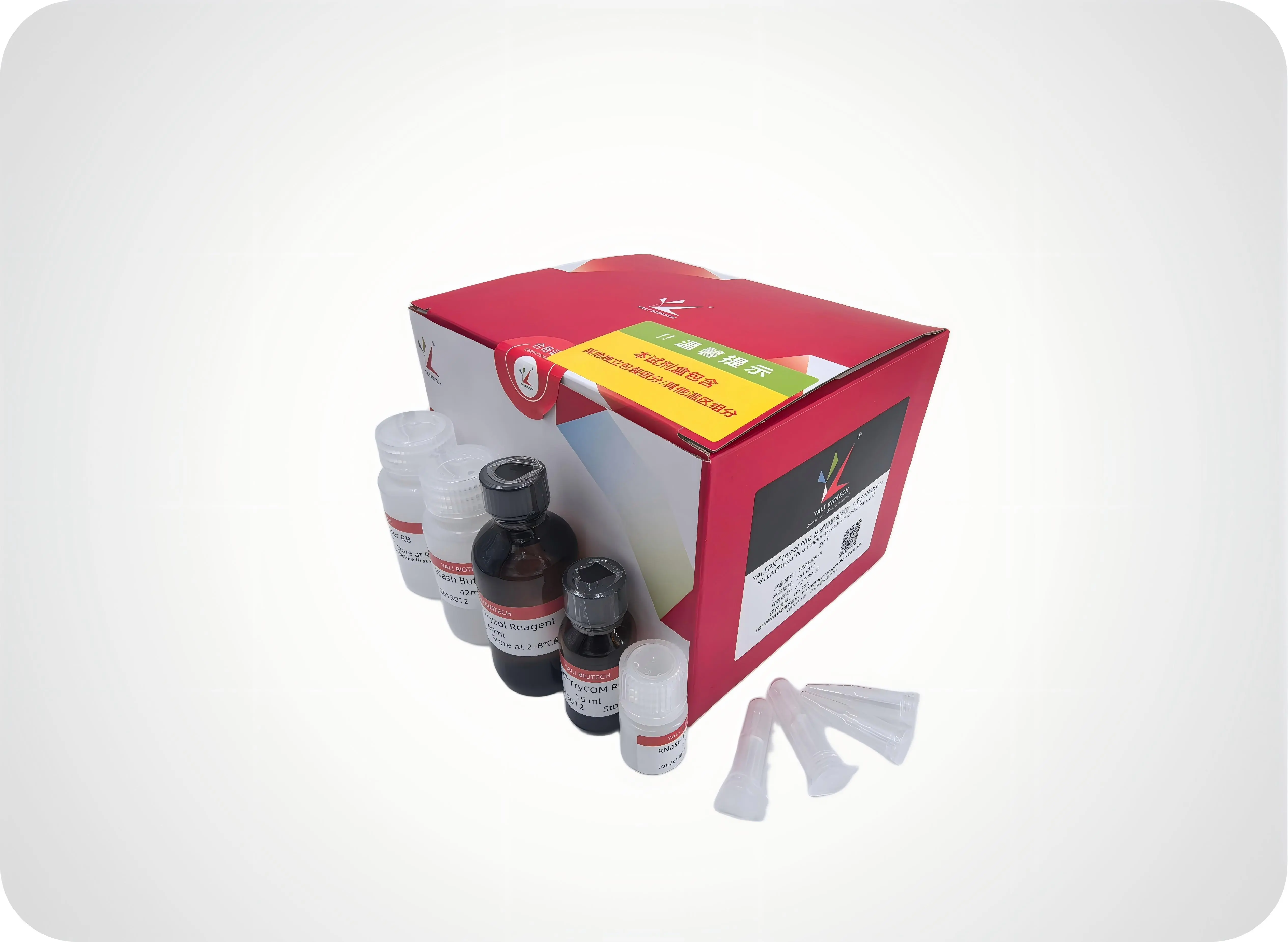
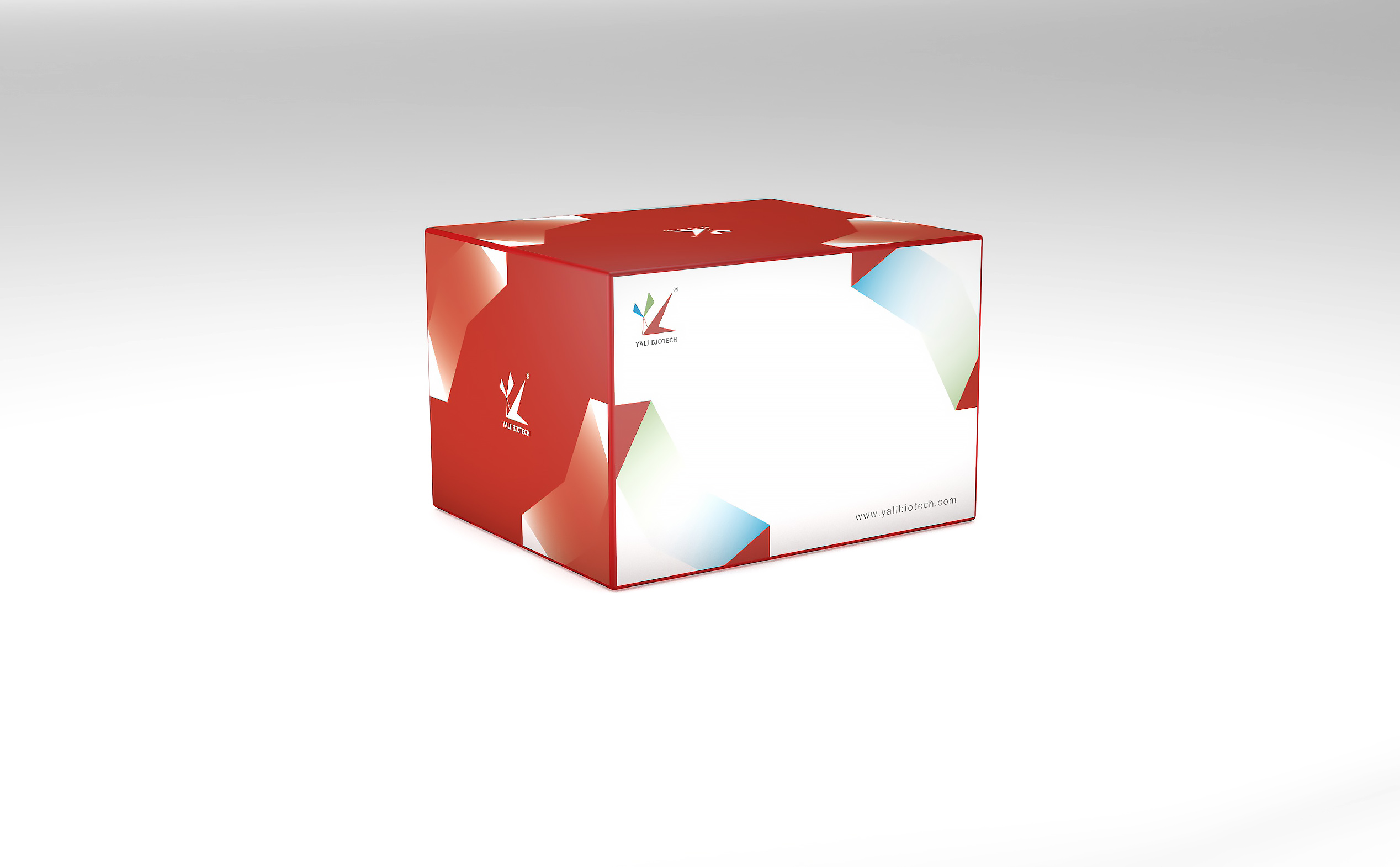
YALEPIC® Tryzol Plus Columnar Isolation Kit(No DNase I)is applicable for isolating high-quality total RNA from various samples such as cultured cells, animal and plant tissues. This kit combines phenol/guanidine-based lysis of samples with silica membrane-based purification of total RNA, with the advantages of strong lysing ability, wide compatibility, fast, high yields, and good purity. Samples are fully lysed with Tryzol Reagent,and RNA is specifically adsorbed from the aqueous phase by silica membrane. The obtained total RNA can be directly used for molecular biology experiments such as RT-PCR, qRT-PCR, Northern Blot, Dot Blot, in vitro translation, and high-throughput sequencing.
It is effectively isolated from a variety of sample sources (cells, animal tissues, fresh blood, and plant tissues).
Transport at room temperature.
Tryzol Reagent at 2 ~ 8°C and protect from light for one year.
Others at room temperature (10℃- 30℃) in a dry place for one year.
The biggest difference lies in safety and operational convenience. The traditional Trizol method requires the use of highly toxic chloroform for extraction and isopropanol precipitation, which is time-consuming and poses health risks to operators. YALEPIC Tryzol Plus is equipped with an environmentally friendly TryCOM chloroform substitute, achieving chloroform-free RNA extraction that is safe and non-toxic. At the same time, combined with silica-membrane spin column technology, it eliminates the tedious precipitation step, shortens extraction time to about 30 minutes, and yields RNA of even higher purity.
This kit version is the ‘DNase I-Free’ version. If your downstream experiments (e.g., high-precision RT-qPCR) are extremely sensitive to genomic DNA carryover, it is recommended to perform on-column or in-solution digestion using YALI BIOTECH’s YALEPIC DNase I (RNase-free) CAT#YX27002 during extraction. Alternatively, purchase the YALEPIC Tryzol Plus spin column RNA extraction kit with DNase I (CAT#YR23009-C) directly.
Yes. For plant tissues with low secondary metabolite content (e.g., low polysaccharide/polyphenol), this kit performs well. For plants rich in polysaccharides and polyphenols, YALI BIOTECH’s plant-specific RNA extraction kit is recommended. For blood samples, it is recommended to first remove red blood cells with red blood cell lysis buffer, collect white blood cells, and then use this kit for extraction to achieve higher RNA yield and purity.
Low A260/A280 is usually due to protein contamination. It is recommended to increase the number of wash buffer steps or ensure complete lysis. If A260/A280 is abnormally high (>2.2), it may indicate partial RNA degradation or impurities in the elution buffer. Ensure that all labware is strictly RNase-free, perform operations on ice, and use the kit’s dedicated RNase-free Water for elution.
Yes, it can be used normally. During storage at 2-8 degrees C, some salt components in the lysis buffer may crystallize out. Before use, remove the reagent and let it stand at room temperature (15-25 degrees C) or in a 37 degrees C water bath to dissolve completely. After thorough shaking, it will regain its original performance without affecting RNA extraction results.




Production center: 4th floor, Building 9, Yangshan Science and Technology
Industrial Park,No. 8 Jinyan Road, Suzhou High-tech Zone
Marketing center: Pujiang High-tech Park, Minhang District, Shanghai
Copyright: 2026 YALI Biotech Co., Ltd.
 Scan to follow us