
| Number | Specifications | Catalog Price | Add To Cart |
|---|---|---|---|
| YC22015 | 50T | Online Consult | + |
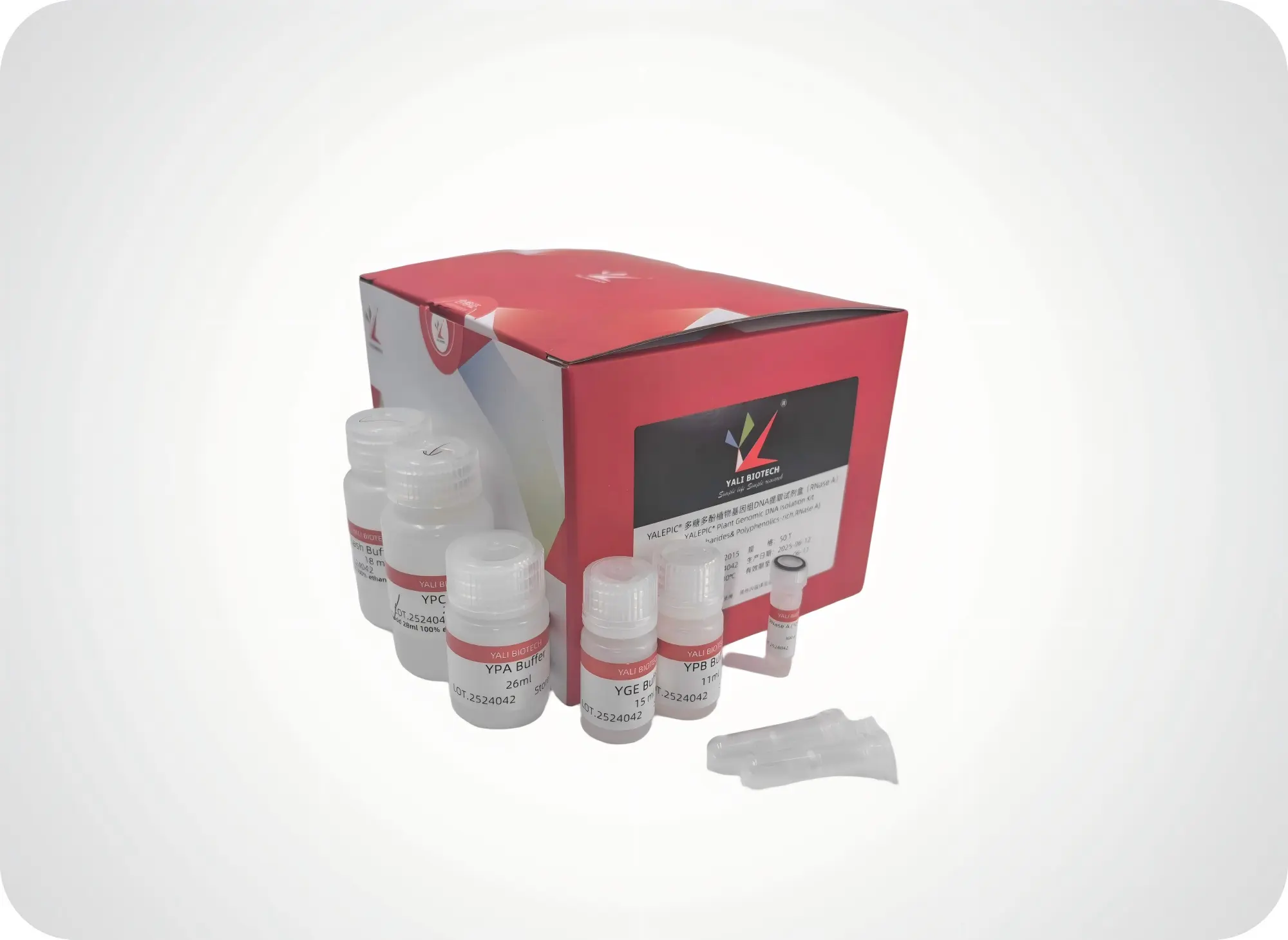
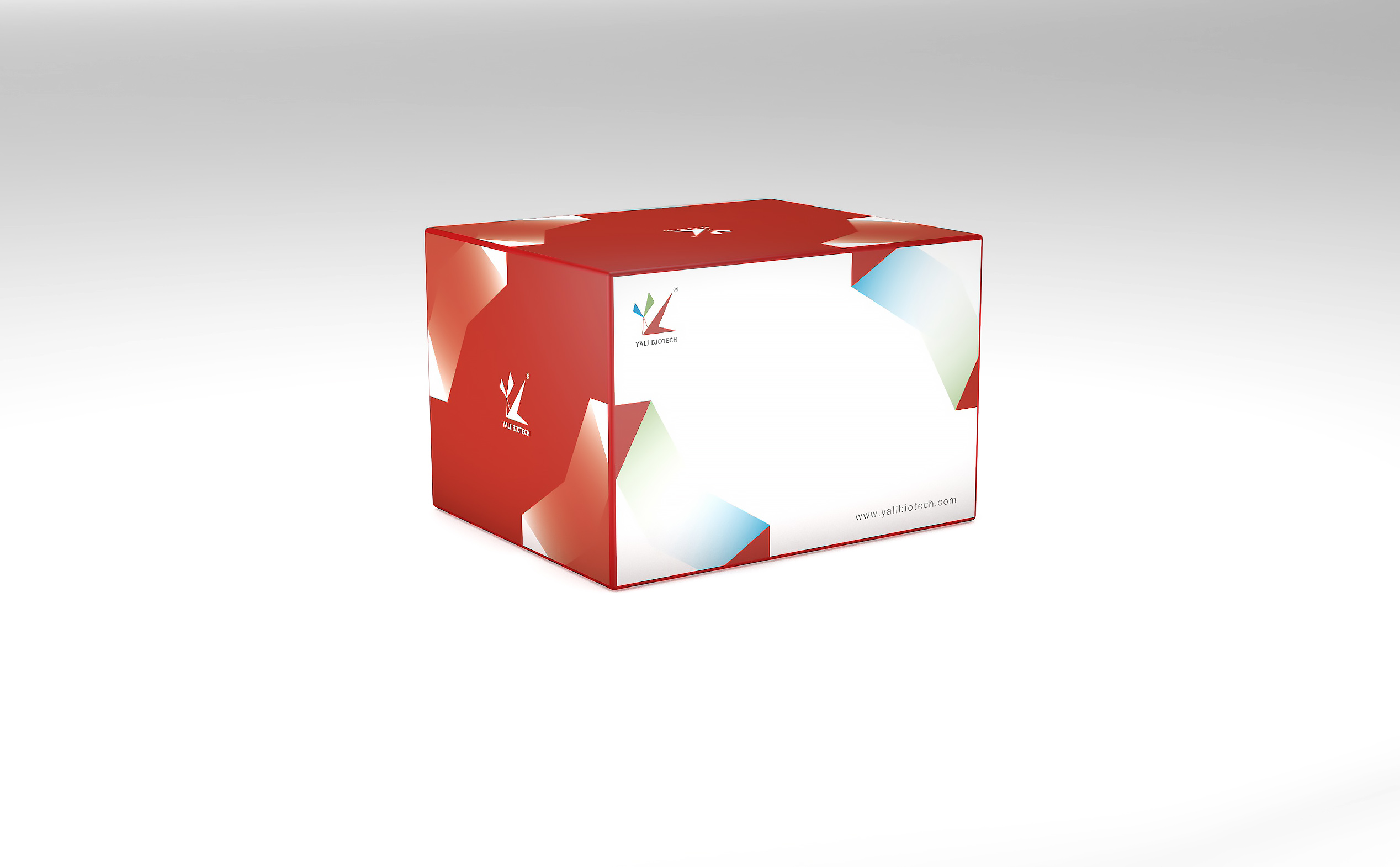
YALEPIC® Plant Genomic DNA Isolation Kit (Polysaccharides& Polyphenolics–rich,RNase A) is suitable for the rapid extraction of genomic DNA from various fresh and dried plant samples, especially those rich in polysaccharides and polyphenols. The kit is based on silica membrane purification technology without time-consuming alcohol precipitation and does not require phenol/chloroform, or any other toxic reagent during the extraction process, which can effectively remove impurities and other organic compounds from plant cell. The obtained genomic DNA with high purity and stable quality can be directly used in PCR, qPCR and enzyme digestion, etc.
Suitable for DNA extraction from common plants and polysaccharide- and polyphenol-rich plants.
≤100mg fresh plant sample;
≤20mg dry plant sample.
Transport at room temperature.
Storage at 10 ~ 30°C for one year.
DNA extraction from polysaccharide- and polyphenol-rich plant samples is difficult for two main reasons: First, polysaccharides co-precipitate with DNA, forming insoluble gelatinous impurities that make the DNA solution viscous, affecting nucleic acid release and subsequent operations. Second, polyphenols are easily oxidized to quinones after cell disruption, covalently binding with nucleic acids and causing the extracted DNA solution to turn brown, while also inhibiting PCR enzyme activity and affecting downstream amplification. This kit uses a unique precipitation solution and silica membrane technology to effectively precipitate and remove proteins, polysaccharides, and phenolic impurities, yielding high-purity, stable-quality genomic DNA.
This kit is suitable for various plant tissues rich in polysaccharides and polyphenols. Typical samples include: cotton, pine, and ginkgo; banana and grape fruit flesh; wheat and peanut seeds; mushroom fungi; and Rosaceae family plants with high polysaccharide and polyphenol content (such as apple, pear, peach, etc.). Additionally, it is also suitable for DNA extraction from routine plant samples, with an extremely broad application range.
Low yield may result from the following: (1) Poor sample quality: Experimental material is not fresh or has undergone repeated freeze-thaw, causing DNA degradation. Use fresh material whenever possible, and avoid repeated freeze-thaw of low-temperature stored materials. (2) Insufficient lysis: Incomplete plant grinding or inadequate cell lysis. Liquid nitrogen grinding should be thorough to a fine powder, vortex thoroughly after adding lysis buffer, and lysis time can be appropriately extended. (3) Improper sample amount: Too little sample (insufficient total DNA) or too much sample (incomplete lysis). Follow the recommended amounts: fresh plant sample <=100 mg, dry plant sample <=20 mg. (4) Elution issues: Elution buffer not pre-warmed or elution volume too small. Pre-warm YGE Buffer to 65 degrees C before elution, or increase the number of elution steps.
DNA degradation is typically caused by: (1) Repeated freeze-thaw of material: Samples should avoid repeated freeze-thaw, otherwise the extracted DNA fragments will be small and yield will decrease. (2) Overly vigorous operation: After liquid nitrogen grinding or tissue homogenization, subsequent operations should be gentle, avoiding vigorous pipetting or vortexing. DNA elution buffer should also avoid repeated freeze-thaw. (3) RNase contamination: RNase A dosage and treatment time during extraction should be standardized, avoiding exogenous RNase contamination. Using separate electrophoresis tanks for DNA and RNA is recommended.
The most common cause of spin column clogging is insufficient sample grinding/lysis or large amounts of viscous polysaccharide substances in the lysate. Solutions include: (1) Check if the lysate is clear, remove overly viscous insoluble material before loading onto the column. (2) Appropriately reduce the initial sample amount. For samples with particularly high polysaccharide content, use the lower end of the recommended range in the instructions. (3) Ensure YPC Buffer and Wash Buffer GB have been supplemented with anhydrous ethanol as required before first use. (4) All centrifugation steps should be performed at room temperature; low centrifugation temperature may result in incomplete impurity precipitation.
Colored DNA solution is usually caused by excessive sample amount or incomplete removal of polyphenolic compounds from plant tissue. Polyphenols oxidize to form brown quinone compounds that covalently bind with nucleic acids. Solutions: reduce the initial sample amount according to the recommended dosage in the instructions; appropriately increase the number of wash steps after lysis.
A low A260/A280 ratio (less than 1.8) typically indicates protein or polyphenol residue. Improvement methods: (1) Ensure thorough centrifugation after lysis, and avoid drawing up the pellet when transferring the supernatant to a new tube. (2) Strictly follow the protocol, ensure Wash Buffer GB has been supplemented with anhydrous ethanol, and that wash steps are thorough. (3) After washing, centrifuge the empty column for 1-2 minutes to ensure complete ethanol evaporation before elution.
A low A260/A230 ratio (less than 2.0) typically indicates polysaccharide or salt residue. DNA solutions with polysaccharide contamination often appear viscous, difficult to dissolve and pipette, and can inhibit PCR, reverse transcription, and ligation reactions. Improvement methods: (1) Ensure YPC Buffer has been supplemented with anhydrous ethanol as required, add at 1.5x the sample volume, mix thoroughly and let stand for an appropriate time. (2) Wash steps cannot be omitted; Wash Buffer GB should thoroughly wash the spin column. (3) For samples with extremely high polysaccharide content (such as certain fruit flesh), appropriately reduce the initial sample amount.
Absolutely not. This kit uses a highly efficient, nucleic acid-specific binding spin column and a unique buffer system, requiring no phenol/chloroform or other organic reagents throughout the process. Plant genomic DNA extraction can be completed within 30 minutes, making the operation safe and convenient. Compared to the traditional CTAB method, this kit eliminates exposure to chloroform and other toxic chemicals, and also avoids the polysaccharide co-precipitation problem associated with traditional ethanol or isopropanol DNA precipitation.
The DNA purified with this kit can be directly used for various downstream experiments, including but not limited to PCR amplification, real-time qPCR, restriction enzyme digestion, library construction, Southern blot, molecular markers (such as SSR, AFLP, RAPD, etc.), and next-generation sequencing (NGS). The extracted DNA has high purity and good integrity, with PCR and other enzymatic reaction inhibitors successfully removed, and can be used directly without additional purification.
This kit is transported at room temperature and can be stored at 10-30 degrees C room temperature. The shelf life is one year. Before use, check YPA Buffer and YPB Buffer for crystallization or precipitate. If crystals or precipitate are present, redissolve YPA and YPB Buffer in a 56 degrees C water bath before use. YPC Buffer and Wash Buffer GB must be supplemented with anhydrous ethanol according to the reagent bottle label before first use.
Yes. For high-water-content samples (such as strawberry, watermelon, tomato fruit flesh, etc.), the high water content in plant tissue results in relatively lower DNA content, and appropriately increasing the sample amount is recommended. However, the sample processing amount should not exceed the kit’s capacity limit, otherwise incomplete sample lysis will occur, affecting DNA yield and purity. It is recommended to start with 100 mg and gradually increase if yield is insufficient.




Production center: 4th floor, Building 9, Yangshan Science and Technology
Industrial Park,No. 8 Jinyan Road, Suzhou High-tech Zone
Marketing center: Pujiang High-tech Park, Minhang District, Shanghai
Copyright: 2026 YALI Biotech Co., Ltd.
 Scan to follow us