
An optimized magnetic bead workflow that turns stool and soil into high-quality genomic DNA ready for downstream applications.
| Number | Specifications | Catalog Price | Add To Cart |
|---|---|---|---|
| YM26011 | 96T | Online Consult | + |
| YM26011-A (Prepackaged) | 32T | Online Consult | + |
| YM26011-B (Prepackaged) | 48T | Online Consult | + |
| YM26011-C (Prepackaged) | 96T | Online Consult | + |
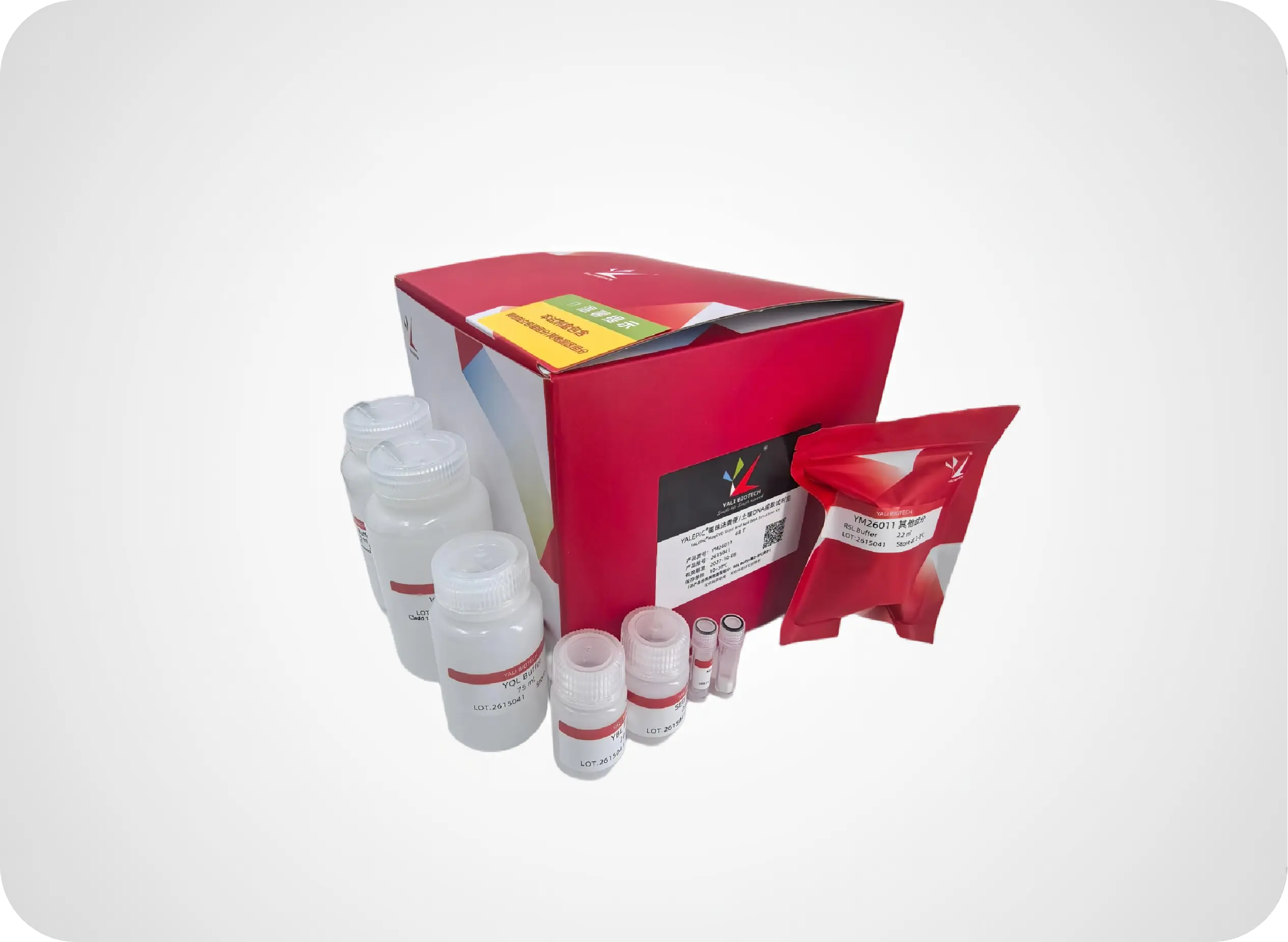
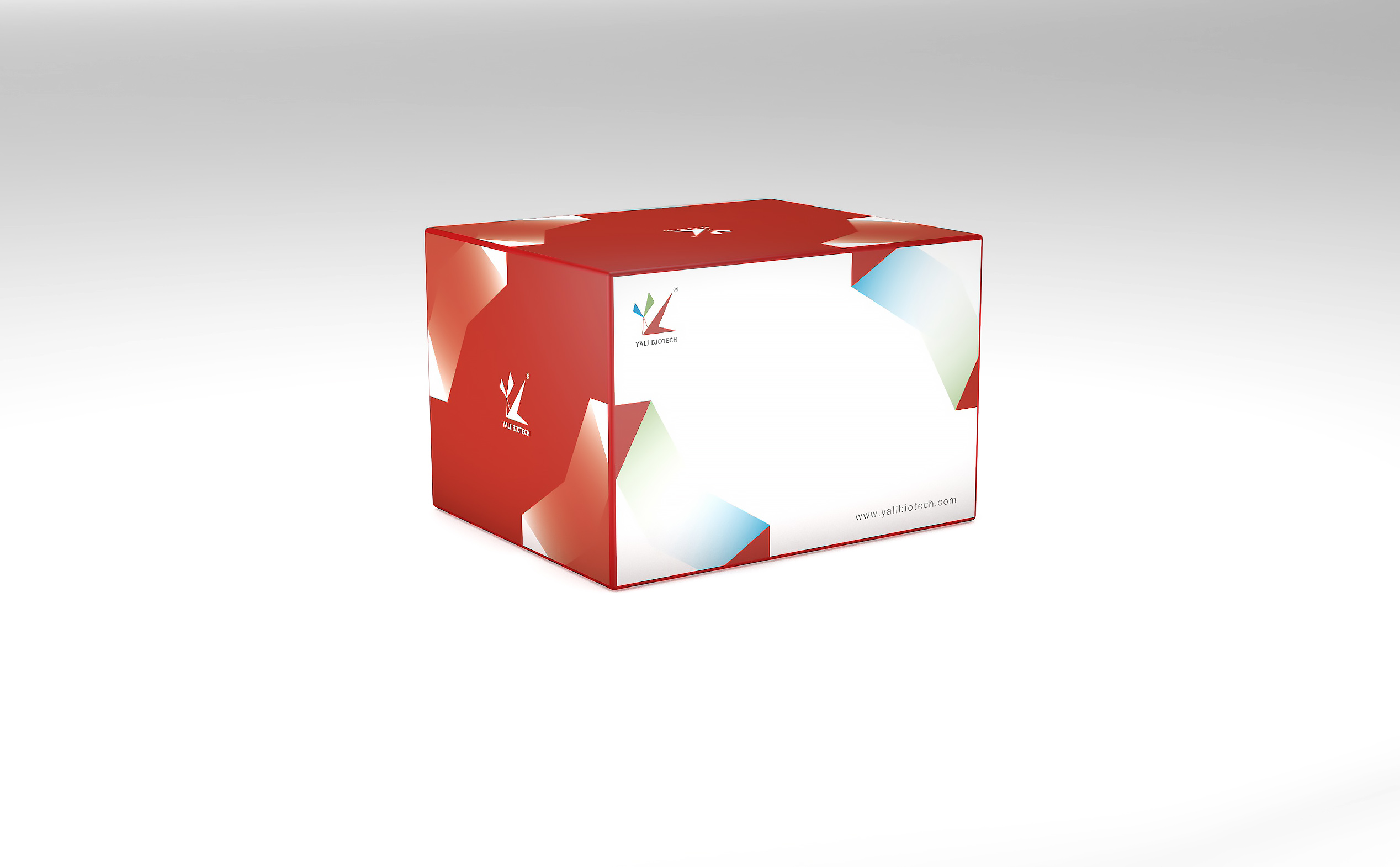
YALEPIC® MagEVO Stool And Soil DNA Extraction Kit 采用具有独特分离作用的纳米磁珠和特制的缓冲液系统,用于从土壤或粪便样本中提取总DNA(包括样本中的细胞、细菌 、寄生虫以及病毒的总DNA)。本试剂盒提取效率高、重复性强,得到的DNA纯度高、完整度高(最高可达15kb)、质量稳定可靠,能最大限度地去除胆红素、胆盐、腐殖酸、RNA、杂蛋白、脂类及其他抑制性杂质,可进行定量PCR、基因克隆、NGS、印迹杂交、芯片等实验,尤其适合高通量工作站的自动化提取。
提取的基因组DNA具有产量高,纯度好,片段完整,杂质少等特点;
安全便捷,无需苯酚 /氯仿,1h内即可完成实验;
可整合移液法自动化仪器和磁棒法自动化仪器进行高通量提取实验。
适用于不同来源的固态或液态粪便;
适用于花坛土、花盆土、农田土、山林土、淤泥、红黑土、粉尘等多类土壤环境样本。
保存:RSL Buffer 2~8℃保存1年;其余组分常温运输:10~30℃ 室温保存一年。
In total DNA extracted from human fecal samples, the vast majority (over 80%) comes from gut microbes, with host DNA typically not exceeding 20%. The specific ratio varies depending on the sample source (human, mouse, rat, dog, cat, etc.) and individual differences.
It is recommended to process samples as soon as possible after collection. If same-day extraction is not possible, fecal samples should be frozen as soon as possible at -20 degrees C or -80 degrees C. For long-term preservation, dedicated fecal nucleic acid preservation tubes may also be considered.
Yes. The kit has been validated for fecal samples from a variety of animals, including humans, mice, rats, dogs, cats, horses, and cattle.
Fecal samples often contain PCR inhibitors such as bile salts, complex polysaccharides, and humic acids. This kit effectively removes these inhibitors through an optimized lysis system and wash protocol, ensuring that the extracted DNA can be directly used for downstream experiments such as PCR and qPCR without additional purification steps.
From approximately 0.2 g of human fecal sample, 5-25 microgram of total DNA can be extracted. From mouse or rat fecal samples (approximately 0.1 g), the extractable DNA amount typically falls within the aforementioned range.
Yes. The kit can simultaneously extract DNA from bacteria, fungi (including yeast and mold), actinomycetes, and various other microorganisms from soil samples.
Generally, 100-500 mg of soil sample is recommended, and the specific amount can be appropriately adjusted based on soil type. For soils with high humus content (e.g., humus-rich soil, wetland silt), the sample amount can be appropriately reduced. For sandy soil, the sample amount can be appropriately increased. It is recommended to conduct a small-scale pilot experiment based on soil type for initial use to determine the optimal sample amount.
Humic acids and fulvic acids in soil (especially humus-rich soil) are major inhibitors of PCR and qPCR. The unique buffer system and wash solution of this kit can efficiently remove these interfering substances. The extracted DNA is colorless and transparent, with no brown residue, and can be directly used for downstream molecular detection.
This is a normal phenomenon. If precipitate appears in the buffer (especially under low-temperature conditions), heat the buffer in a 37 degrees C water bath and mix thoroughly. Use after the precipitate has completely dissolved. Check that all reagents have returned to room temperature before use.
DNA yield from soil samples varies depending on soil type and microbial abundance. Generally, over 5 microgram of DNA can be obtained per gram of soil, with DNA fragment lengths primarily distributed between 20-30 kb.




Production center: 4th floor, Building 9, Yangshan Science and Technology
Industrial Park,No. 8 Jinyan Road, Suzhou High-tech Zone
Marketing center: Pujiang High-tech Park, Minhang District, Shanghai
Copyright: 2026 YALI Biotech Co., Ltd.
 Scan to follow us