
| Number | Specifications | Catalog Price | Add To Cart |
|---|---|---|---|
| YC47013-10 | 10T | Online Consult | + |
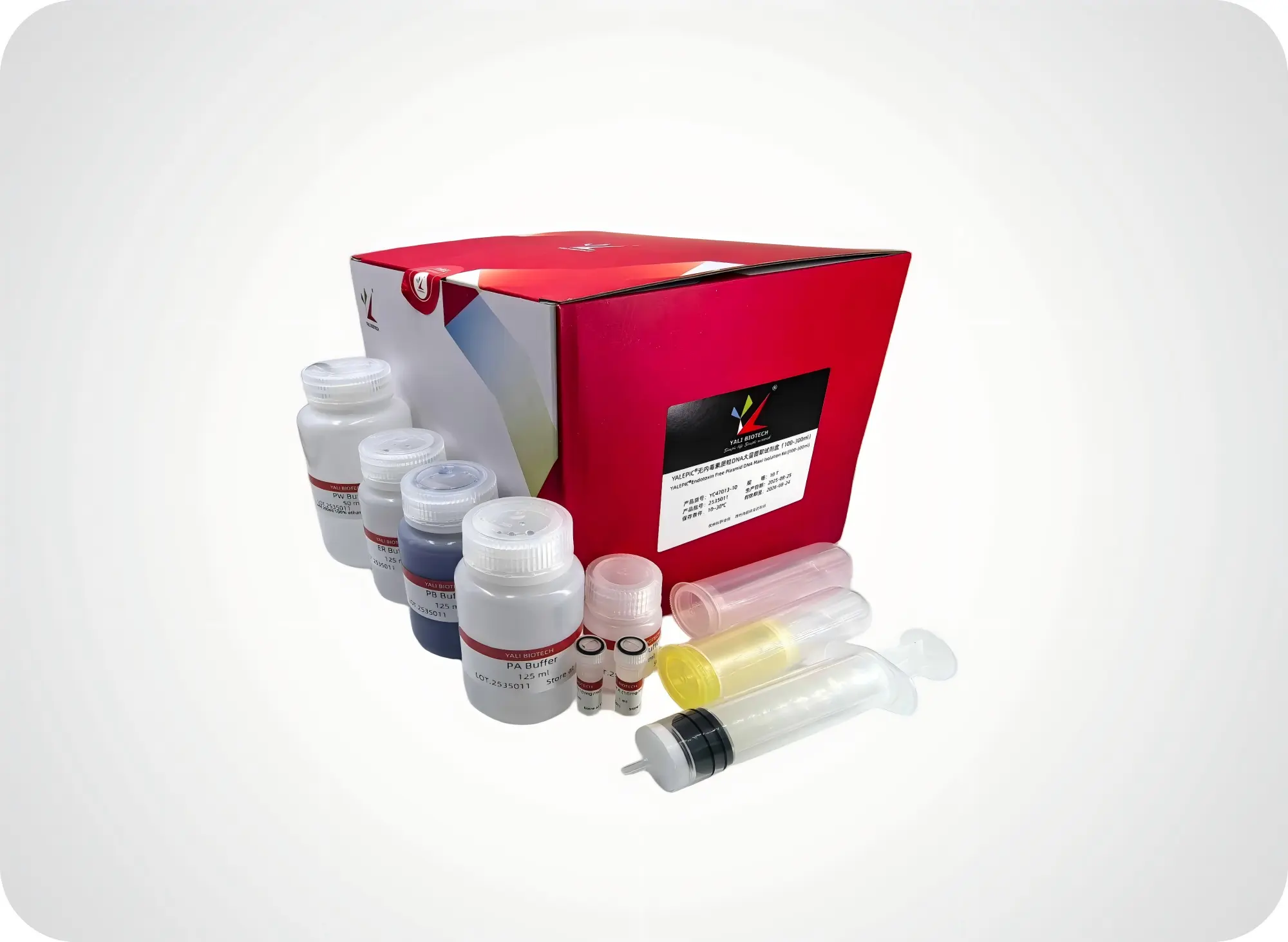
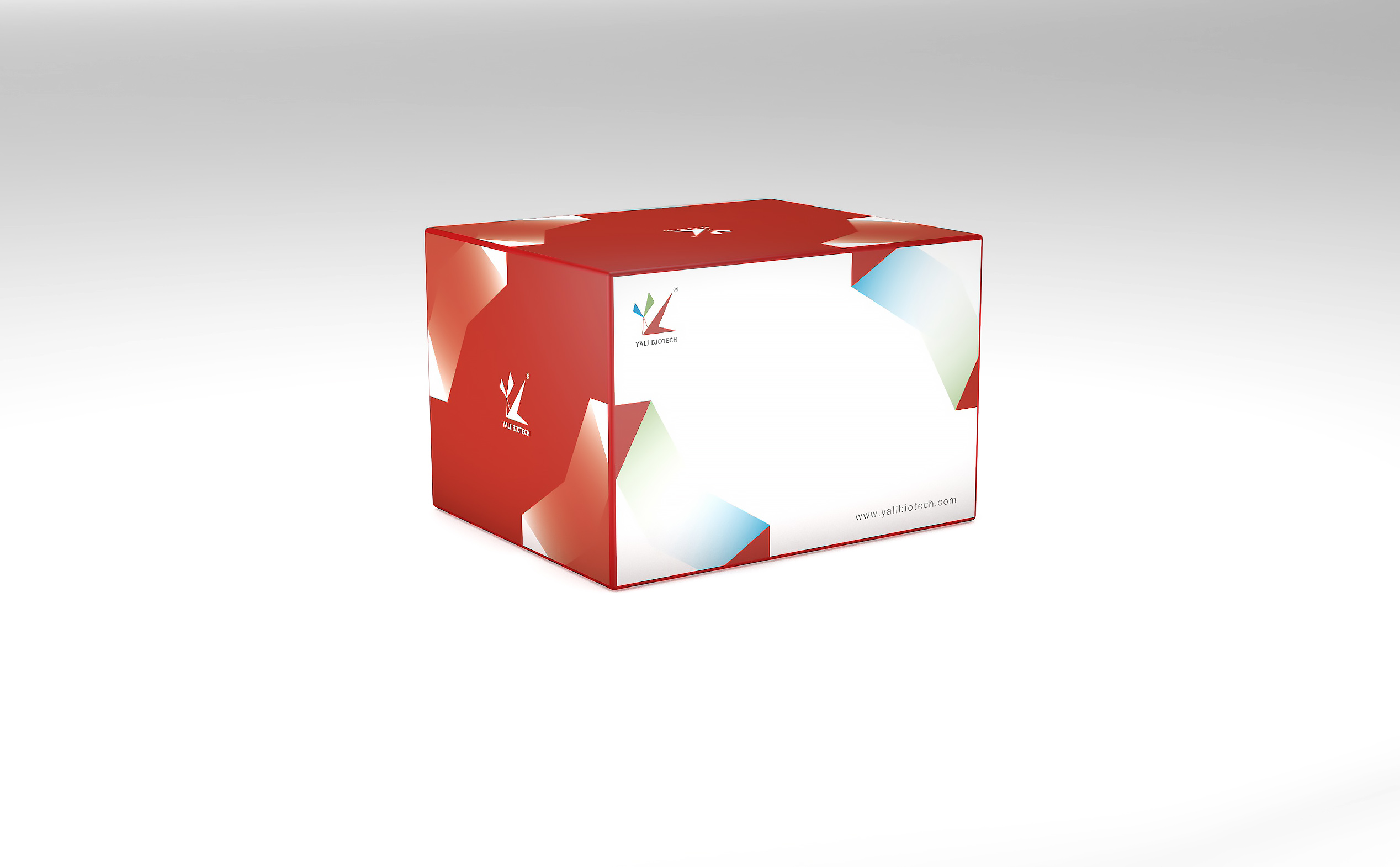
YALEPIC® Endotoxin Free Plasmid DNA Maxi Isolation Kit(100-300ml) is suitable for extraction from 100 – 300 ml of bacterial solution cultured overnight, using an improved SDS-alkaline lysis method to lyse the bacteria. Unique silica membrane adsorption technique to efficiently bind plasmid DNA. The solution contains indicators that can indicate whether the lysis and neutralization are complete through the change of color, so as to visualize the procedure. Endotoxin is removed on the column, which is fast and simple to use. This kit can be used to rapidly extract 2 ~ 3 mg of pure high-copy plasmid DNA, with an extraction rate of 80% – 90%. The kit uses an unique process formula removes endotoxin, the content of endotoxin is extremely low and the cell transfection effect is excellent. The extracted plasmid could be directly used in enzyme digestion, PCR, in vitro transcription, transformation, sequencing and other molecular biology experiments.
Visual Procedure: solution PB (blue) indicates whether the lysis and neutralization are complete through the change of color, so as to ensure the quality of plasmid extraction.
Fast: the whole procedure can be performed within 50 min.
Low endotoxin residue: Extremely low endotoxin content (< 1 EU/μg DNA).
High yield: up to 3 mg.
100~300ml of overnight bacterial culture.
Store at 10 ~ 30°C for one year and transport at room temperature.
If ambient temperatures often exceed 30°C, we suggest storing RNase A at 2 ~ 8°C.
After addition of RNase A, Buffer PA is stable for 6 months when stored at 2 ~ 8°C.
This kit processes 100-300 ml of fresh overnight E. coli culture per preparation. For high-copy plasmids such as pUC series, 300 ml culture yields 2-3 mg plasmid DNA. For low-copy plasmids such as pBR322, 300 ml culture yields approximately 500-800 micrograms. Actual yield depends on plasmid copy number, host strain, and culture conditions.
Endotoxin (lipopolysaccharide, LPS) is a component of Gram-negative bacterial cell walls and easily remains during plasmid extraction. Endotoxin can: (1) significantly reduce transfection efficiency in sensitive cells; (2) activate immune cells causing non-specific reactions and false positives; (3) cause cytotoxicity and cell apoptosis; (4) trigger fever and endotoxic shock in animal experiments. Therefore, plasmids used for cell transfection and animal experiments must have endotoxin controlled to very low levels.
Plasmid DNA extracted with this kit has endotoxin residual levels below 0.1 EU/microgram, with endotoxin removal rate exceeding 99%. This level meets the requirements for most mammalian cell transfection and mouse tail vein injection experiments, and satisfies NMPA standards for plasmid endotoxin control in gene therapy applications.
The kit contains a pre-mixed blue indicator component. When lysis buffer is added to the bacterial suspension, the solution changes from turbid to clear blue, indicating complete bacterial cell wall lysis and full plasmid release. When neutralization buffer is added, the solution changes from blue to colorless with white flocculent precipitate, indicating complete neutralization and precipitation of proteins and genomic DNA. The color change provides visual confirmation of each step, effectively avoiding quality issues from insufficient or excessive lysis.
If precipitate appears in Buffer PA, Buffer PB, or Buffer ER during storage, this is normal, especially in low winter temperatures. Before use, place the reagent bottle in a 37 degrees C water bath for 10-15 minutes and mix thoroughly by inversion. Once precipitate is completely dissolved, use normally. Note: after adding RNase A to Buffer PA, store at 4 degrees C and use within 6 months.
Low yield is usually related to: (1) Culture time too long (>16 hours), plasmid loss or degradation; (2) Low OD600 (<2.0), insufficient bacteria; (3) Low-copy plasmid (pBR322, pACYC) copy number limitations; (4) Insufficient lysis, incomplete plasmid release. Recommendations: for high-copy plasmids use 100-150 ml culture, culture 12-16 hours, collect at OD600 2.0-4.0; for low-copy plasmids use 300 ml culture directly.
This kit uses silica membrane adsorption technology. For plasmids larger than 20 kb, silica membrane adsorption efficiency and yield decrease, and column processing may cause shear damage to large plasmids. For BAC/PAC and other large plasmids, we recommend ion exchange or solution-based kits.
High post-transfection cell death may result from multiple factors: (1) Excessive endotoxin residue – endotoxin is directly cytotoxic; (2) Transfection reagent toxicity; (3) Ethanol or isopropanol residue in plasmid solution; (4) Insufficient plasmid purity (A260/280 outside 1.8-2.0 range). First check plasmid A260/280 ratio and endotoxin level, and ensure endotoxin-free plasmid is used for transfection.
Yes. All components can be transported and stored at room temperature (15-30 degrees C), greatly reducing transport and storage costs. In dry room conditions, the kit shelf life is 18 months. However, separately packaged RNase A can be stored longer at -20 degrees C; after adding RNase A to Buffer PA, store at 4 degrees C and use within 6 months.
The high-purity, low-endotoxin plasmid DNA is suitable for: mammalian cell transfection (HEK293, CHO, Huh7, etc.), CRISPR-Cas9 gene editing, lentivirus/AAV packaging, animal in vivo injection, restriction digestion, PCR amplification, Sanger sequencing, ligation transformation, in vitro transcription, and cell-free expression systems. For clinical research or gene therapy development, additional endotoxin testing is recommended.
Key differences: (1) Visual operation – lysis and neutralization buffers contain blue indicators, more user-friendly for beginners; (2) Time efficiency – 45 minutes for the full workflow; (3) Cost-effectiveness – YC47013-10 specification list price 650 CNY/10 preps, offering price advantages over similar products, with even greater advantages during promotions. We recommend choosing based on specific experimental needs, plasmid type, and budget.
The kit provides all components except common equipment and reagents. Users need: (1) Centrifuge accommodating 50 ml tubes (max force >=12,000 x g); (2) 37 degrees C shaking incubator; (3) Anhydrous ethanol (for wash buffer preparation); (4) 100-300 ml bacterial culture flasks and media; (5) Microcentrifuge tubes (1.5/2 ml); (6) Microvolume spectrophotometer. No phenol, chloroform, or other organic solvents needed.




Production center: 4th floor, Building 9, Yangshan Science and Technology
Industrial Park,No. 8 Jinyan Road, Suzhou High-tech Zone
Marketing center: Pujiang High-tech Park, Minhang District, Shanghai
Copyright: 2026 YALI Biotech Co., Ltd.
 Scan to follow us