
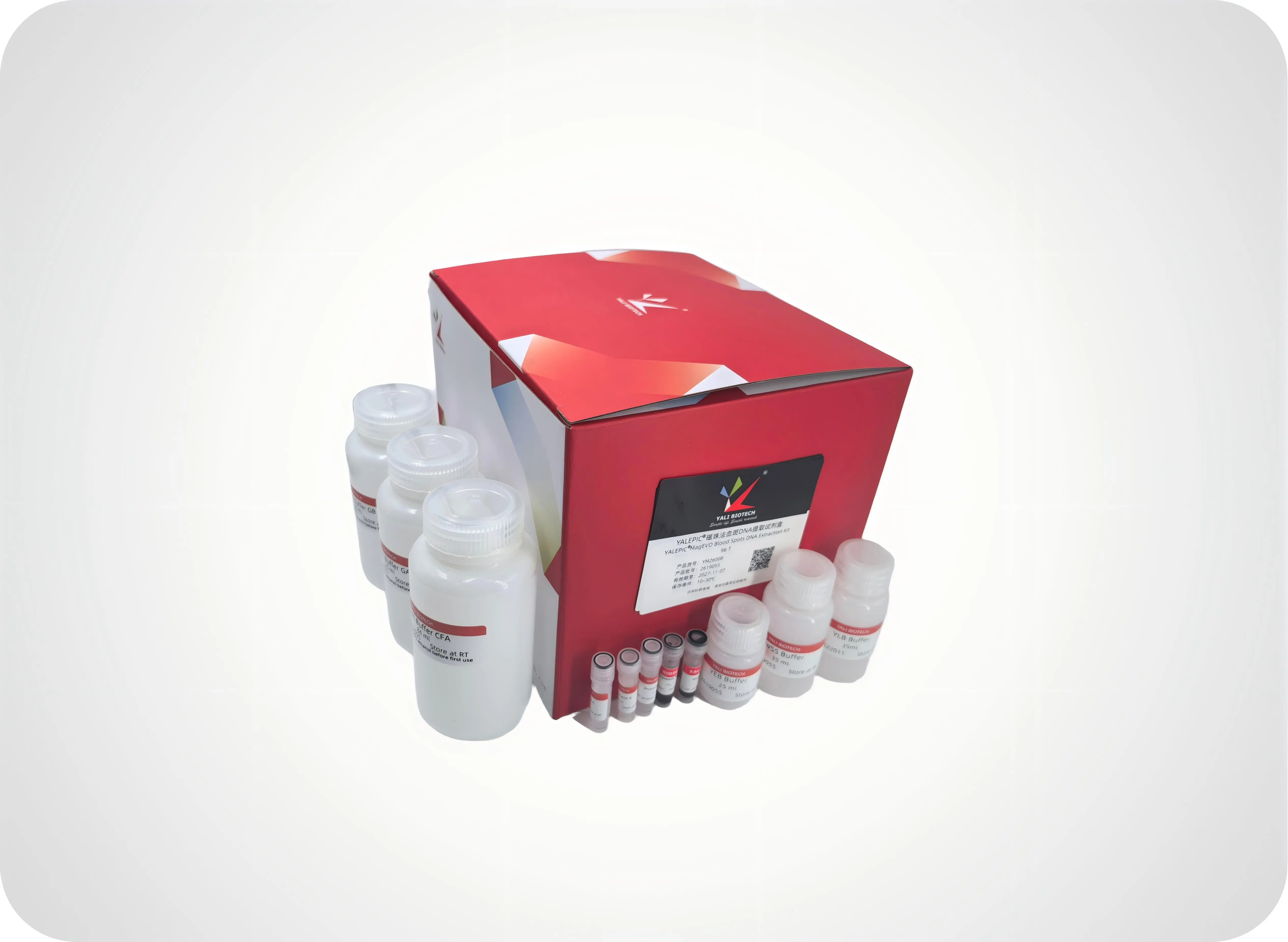
An optimized magnetic bead workflow that turns dried blood spot into high-quality genomic DNA ready for downstream applications.
| Number | Specifications | Catalog Price |
|---|---|---|
| YM26008 | 96T | Online Consult |
| YM26008-A (Prepackaged) | 32T | Online Consult |
| YM26008-B (Prepackaged) | 48T | Online Consult |
| YM26008-C (Prepackaged)) | 96T | Online Consult |
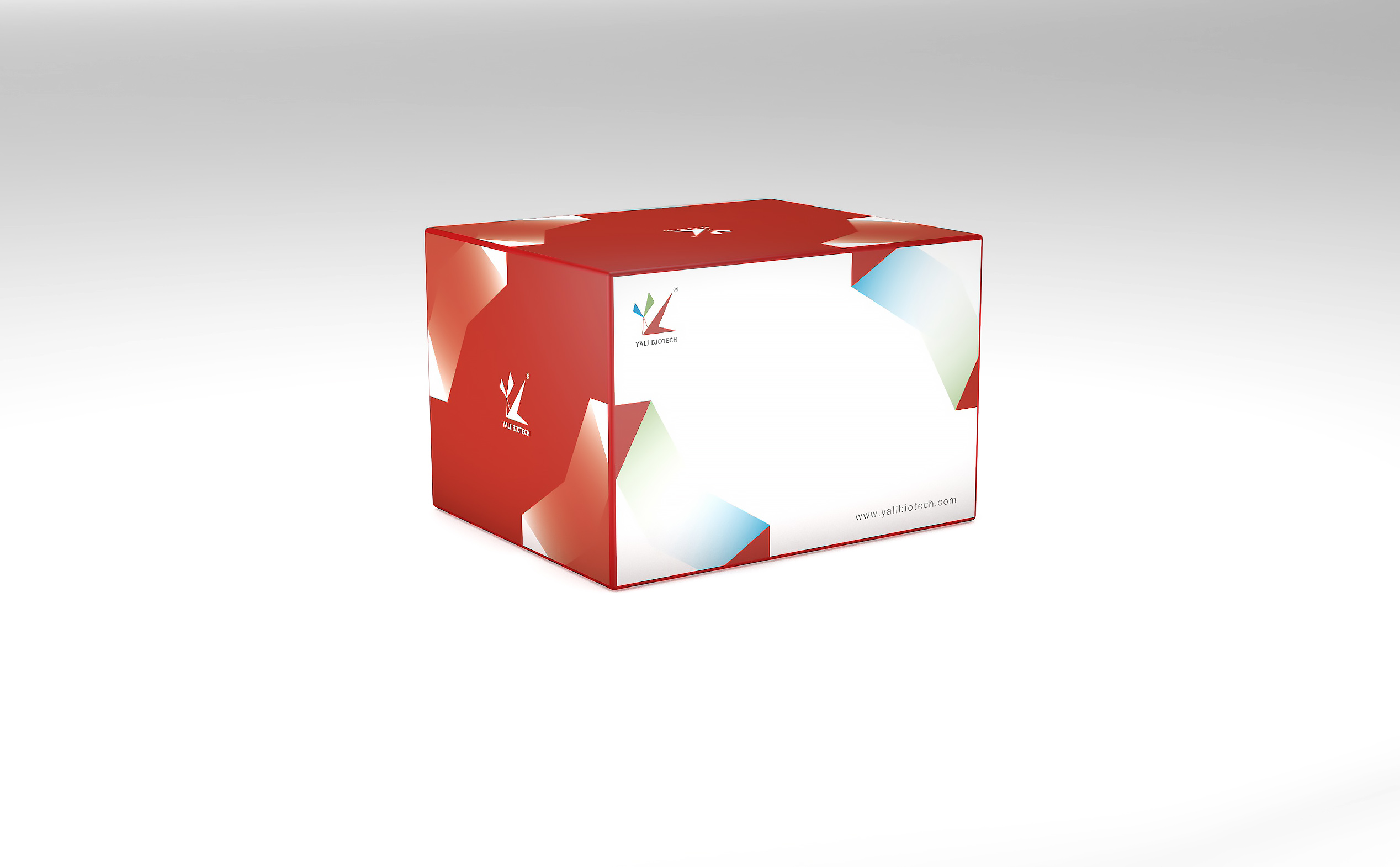
YALEPIC® MagEVO Blood Spots DNA Extraction Kit employs unique separation properties and a specialized buffer system to extract genomic DNA from blood Spots card. The high-affinity magnetic beads used in the kit can adsorb nucleic acids in a high-salt buffer and release nucleic acids in a low-salt elution buffer, thereby achieving rapid separation and purification of nucleic acids. The purified DNA is suitable for quantitative PCR, gene cloning, NGS, blot hybridization, and automated extraction on high-throughput workstations.
Blood Spots card.
Transport at room temperature.
Storage at 10 ~ 30°C for one year.
If ambient temperatures often exceed 30°C, we suggest storing Proteinase K and Magbeads PM at 2 ~ 8°C (protect from freezing).
The dried blood spot DNA extraction kit is specifically optimized for dried blood spot samples on filter paper or blood collection cards. Conventional blood DNA extraction kits typically require fresh or frozen anticoagulated blood samples (e.g., EDTA-anticoagulated blood), while the dried blood spot kit effectively handles the DNA-protein crosslinking caused by the drying process and releases DNA encapsulated by blood cell membranes and hemoglobin. The YALI BIOTECH YALEPIC magnetic bead-based blood spot DNA extraction kit uses a unique lysis buffer system and nano-magnetic bead technology to efficiently extract high-quality genomic DNA from 3-6 dried blood spot punches of 3 mm diameter, making it especially suitable for forensic evidence, newborn screening, and epidemiological cohort studies involving filter paper dried blood spot samples in batch processing.
Yes. The YALI BIOTECH YALEPIC magnetic bead-based blood spot DNA extraction kit is perfectly compatible with both pipetting-based and magnetic rod-based automated nucleic acid extraction instruments. The product is available in pre-filled plate specifications (CAT#YM26008-A/B/C, corresponding to 32T/48T/96T), which can be directly loaded onto the instrument. With automated instruments, high-throughput extraction of 96 samples can be completed in a single run within 45-60 minutes, yielding PCR-ready high-quality DNA. This greatly improves experimental efficiency and sample processing throughput, and is particularly suitable for large-scale screening and cohort research projects.
The YALI BIOTECH YALEPIC magnetic bead-based blood spot DNA extraction kit provides high-purity, high-yield DNA extraction results. The DNA purity A260/A280 ratio typically reaches 1.7-1.9, with maximum removal of impurities such as RNA, contaminating proteins, lipids, and PCR inhibitors. For yield, microgram-level genomic DNA can be extracted from 100 microL of dried blood spot sample (approximately 3-6 dried blood spot punches of 3 mm diameter), with yield correlated to the original blood cell count of the sample.
The genomic DNA extracted with the YALI BIOTECH YALEPIC magnetic bead-based blood spot DNA extraction kit is of high purity and good integrity and is compatible with a variety of downstream molecular biology experiments, including but not limited to: conventional PCR and multiplex PCR amplification; qPCR (Real-time PCR) gene expression analysis; STR typing and capillary electrophoresis analysis; NGS high-throughput sequencing library construction; gene cloning and vector construction; Southern blot hybridization; gene chip hybridization analysis; SNP genotyping detection, etc. The obtained DNA can be directly used for these experiments without additional purification steps.
Yes. The YALI BIOTECH YALEPIC magnetic bead-based blood spot DNA extraction kit has been specially optimized for aged blood spots and partially degraded samples commonly encountered in forensic scenarios. The kit uses an efficient lysis buffer system that effectively lyses blood cell membranes and nuclear membranes to release DNA fragments. Combined with efficient wash steps, it removes hemoglobin, humic acid, and other impurities that may inhibit PCR reactions. Even for dried blood spot samples stored at room temperature for weeks to months, the kit still yields DNA template of sufficient quality and quantity for STR typing and forensic identification analysis. For severely degraded samples, it is recommended to appropriately increase blood spot input (e.g., 6-8 punches) to improve DNA yield.
Low DNA yield may be caused by the following: Sample issues – insufficient original blood volume in the dried blood spot sample, or prolonged storage leading to severe DNA degradation. Check blood spot sample quality and appropriately increase blood spot input (3-6 punches of 3 mm diameter). Operational issues – magnetic beads not fully mixed before use. Magnetic beads tend to settle during static storage; vortex for at least 30 seconds before use to ensure complete resuspension. Incomplete lysis – reduced Proteinase K activity or insufficient lysis time. Check Proteinase K storage conditions and ensure the lysis step is fully performed. Improper wash buffer preparation – some wash buffers require addition of absolute ethanol before first use as described in the manual. If yield remains consistently low, re-run the experiment strictly following the manual’s procedural steps.
The YALI BIOTECH YALEPIC magnetic bead-based blood spot DNA extraction kit is suitable for dried blood spot samples from various application scenarios: Forensic evidence identification – crime scene bloodstains, mixed stains from sexual assault cases, disaster victim identification. Paternity testing and kinship confirmation – family blood spot samples collected on filter paper blood collection cards. Newborn inherited metabolic disease screening – large-scale screening of newborn heel-prick dried blood spot samples. Clinical pharmacogenomics research – drug metabolism-related gene testing, therapeutic drug concentration monitoring. Epidemiological cohort studies – genetic analysis and biobank construction for large-scale population cohorts. Preclinical toxicokinetics research – drug metabolism analysis of animal dried blood spot samples. Sample types are compatible with various commonly used blood collection filter papers and cards such as Whatman 903, S&S 903, and FTA cards.


Production center: 4th floor, Building 9, Yangshan Science and Technology
Industrial Park,No. 8 Jinyan Road, Suzhou High-tech Zone
Marketing center: Pujiang High-tech Park, Minhang District, Shanghai
Copyright: 2026 YALI Biotech Co., Ltd.
 Scan to follow us